Balancing ‘Big Fashion’
I don’t really care if the chicken or the egg came first. But as the global fashion weeks kick into high gear for 2026, I do find myself wondering – did the design come first, or the trend? In a frivolous world of sequins, rose appliques, studs and grommets, was a new runway collection a rebellious act of expression, or was it simply following a patterned formula in order to gain a profit?
Trend reports –– the easily accessible, usually sponsored or littered with commissioned links kind –– feel unstimulating, to say the least. What are meant to be a fashion reader’s critical reports, end up sheepishly integrating fast fashion sites and homogenizing runway shows into broad, overarching recaps.
This kind of observational reporting doesn’t just document trends — it actively shapes them. It makes Fashion (with a capital F) what it is today. They can be a cultural snapshot, or too far of a reach being pulled out of thin air for the sake of capitalism.
In that process, fashion stops responding to culture and starts responding to itself. It becomes obedient. Compliant. Docile.
Stjórn “Star” Revali of avant-garde fashion brand Storrveldi, expressed similar sentiments. She is an emerging designer whose focus blends her education, human anatomy, personal identity, ethnic origins, anthropology, and historical references.
From her pull of historical knowledge and quips about her interests in Galliano, Assassin’s Creed and Iceland, it became strikingly clear she is a designer with intention, someone whose understanding of society shapes her design language.
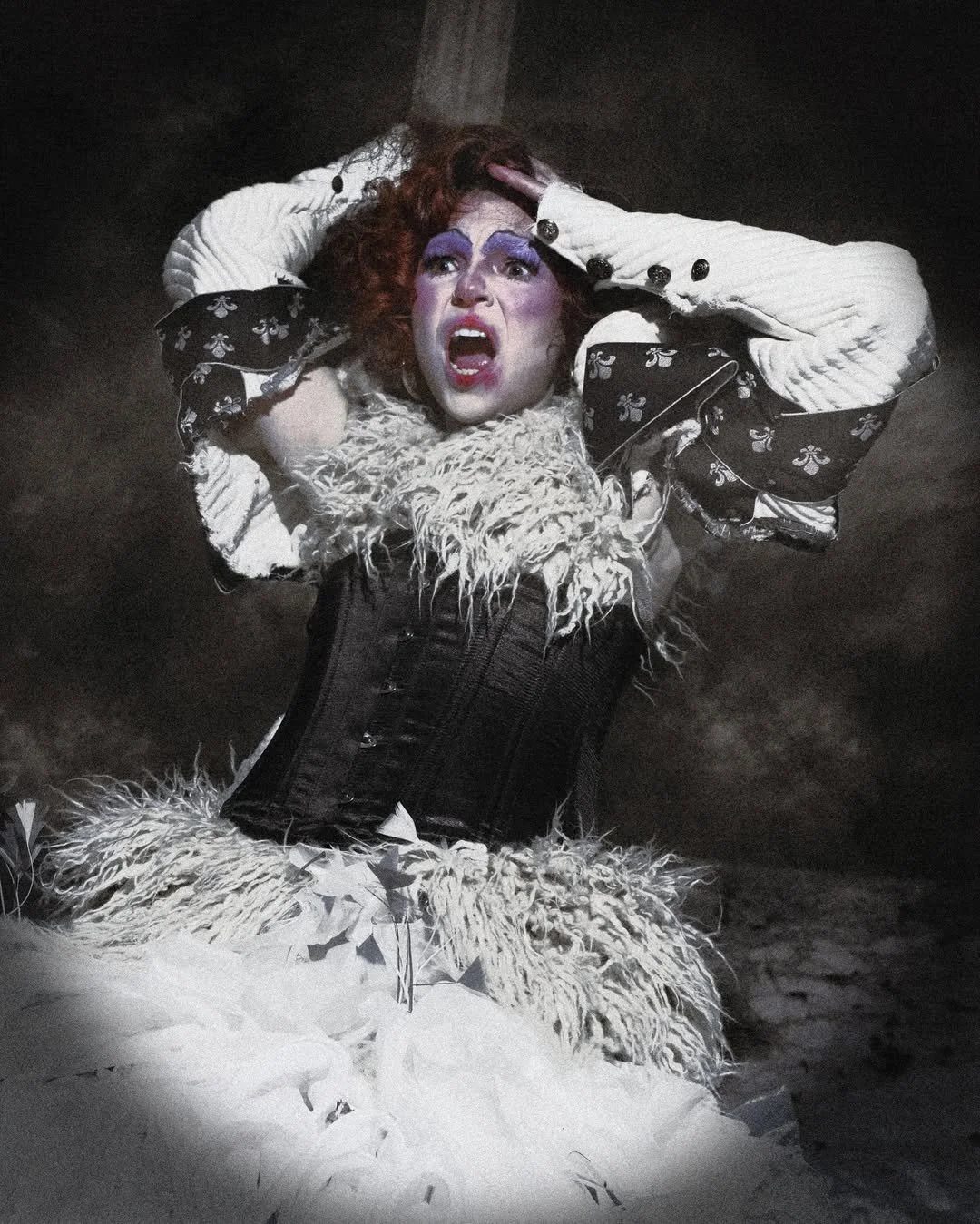
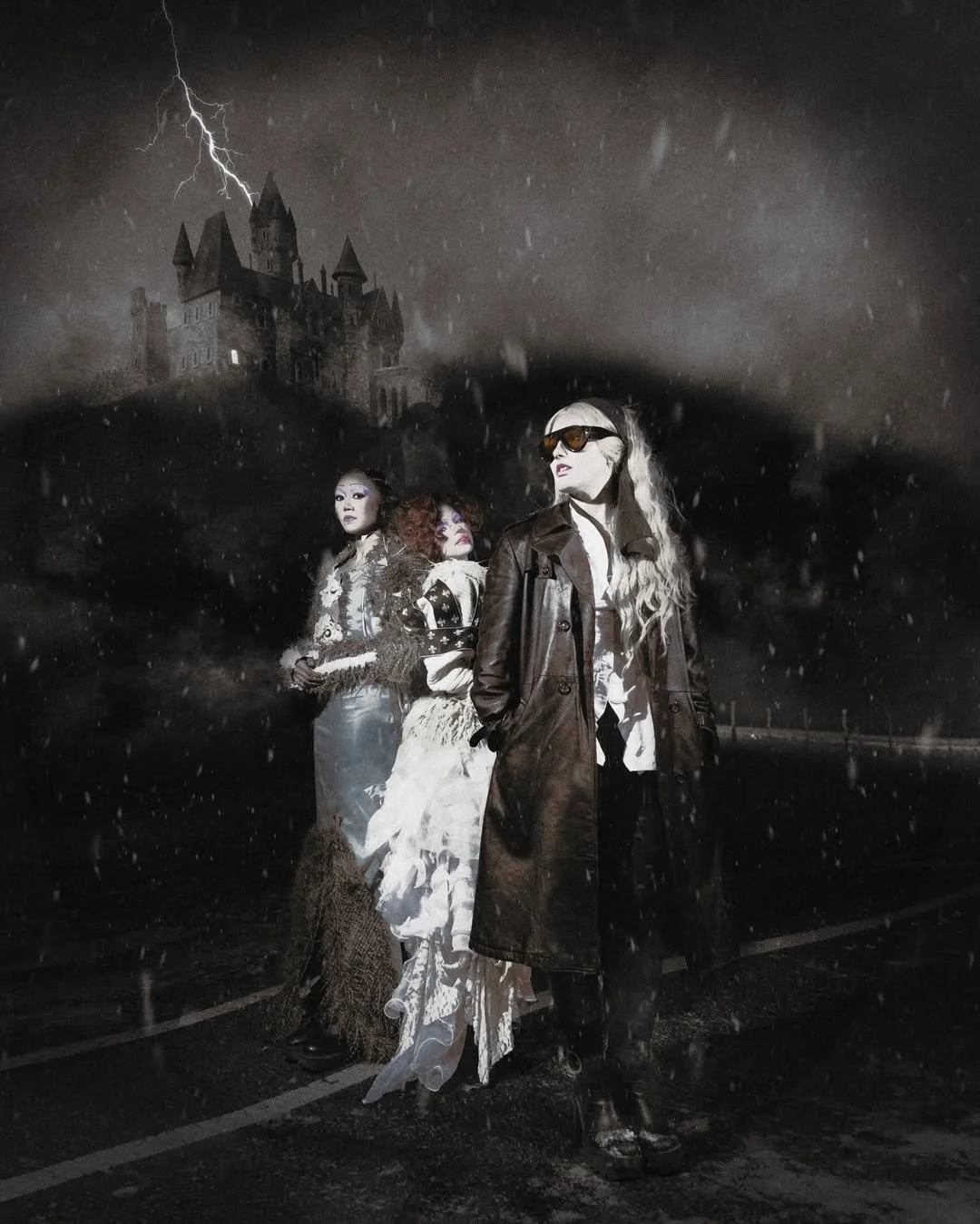
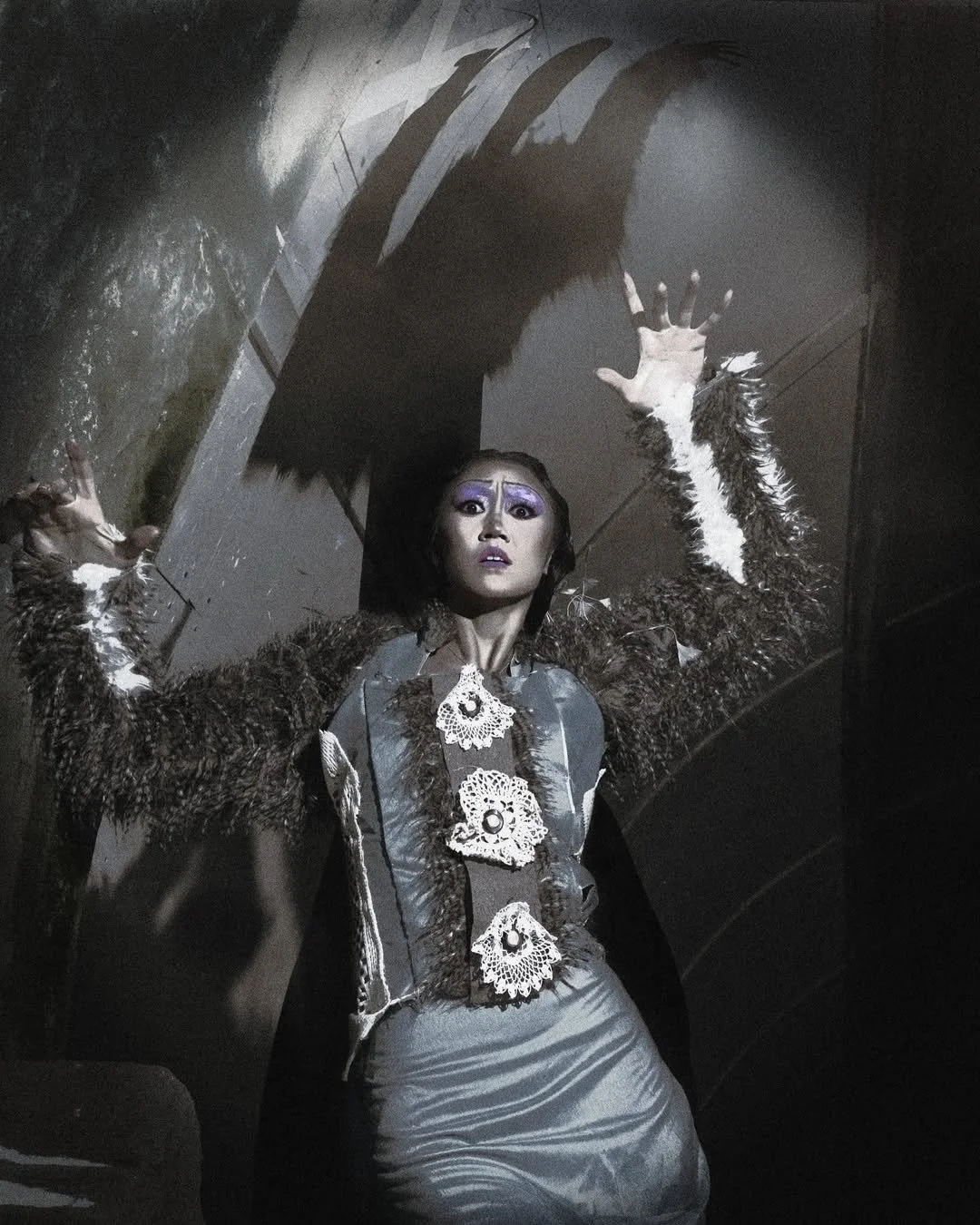
Photos by Oliver Barile, courtesy of Storrveldi.
“I’m more insulted than bored. Everyone kind of copies each other. I can't tell the difference between Dior and Saint Laurent these days. We're past this point of super extravagant runways, we just aren't in a place socially and financially to have that. Our species isn't happy right now, so the whimsy and Golden Age of Haute Couture aren’t going to be back for a while.” Revali said.
On top of trend reporting feeling lackluster, it’s also somehow a never-ending stream of consciousness, saturated by churning out the latest and greatest plastic accessories, varying skirt lengths, and pairing various viral textures. Within the digital whirlwind of the Green Fairy Aesthetic one minute to 2016 core the next, it’s no wonder that so many people, according to Revali, don’t view fashion as a sentimental art like it once was.
“I view garment-making as sacred. So to design and present a collection, it’s like sharing a piece of yourself. It's so vulnerable and intimate to share that artwork. It kind of bothers me to see that people don't see how intimate it really is to be in the same room as an emerging designer. We didn't have access that long ago.”
If the world no longer sees fashion as a vehicle for change, expression and artform, then it becomes merely an object of consumerism, another promotional item to be built into the trends –– bought, worn, photographed, discarded –– rinse and repeat.
But where does this process start, and how does it end up becoming this unescapable echo chamber? Are manufactured trends the reason for designers becoming unrecognizably uniform, or are designers creating the trends themselves out of expression, and the media perpetuates them into one-hit wonders of viral moments?
The origins of trends can’t be discussed without mentioning trend forecasting, most likely the start of the cycle. Fashion Analyst and Trend Forecaster, Ciara Bell, breaks it down.
“Trend forecasting is a perfect blend of art and science, because you can never be 100% accurate,” Bell said. “The culture predicts the trend, the trends shape culture, and you’re kind of being a sociologist in a way.”
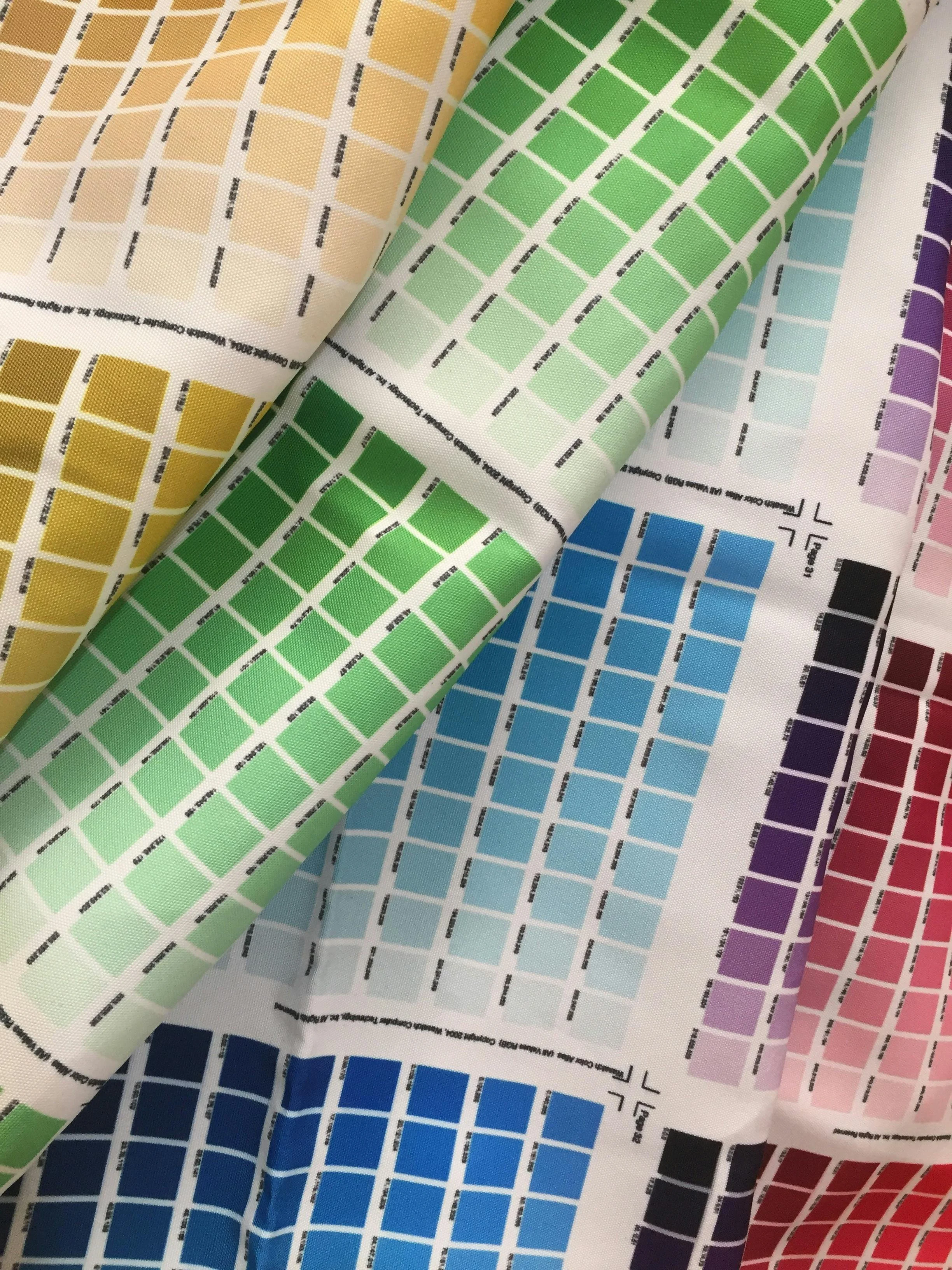
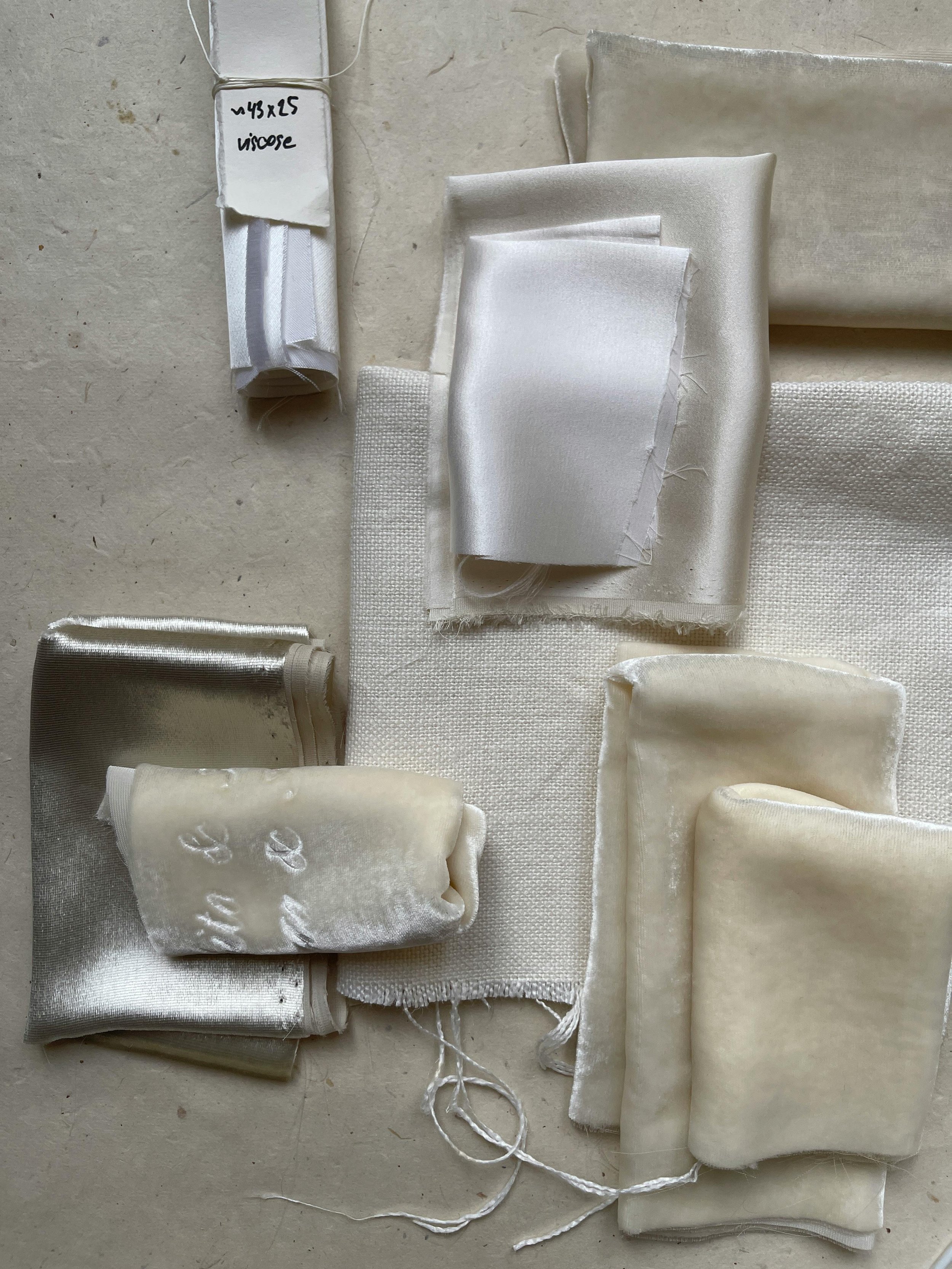
According to Bell, trend reporting is what we’re seeing currently, or into the next season, whereas trend forecasting goes much further into the future. For example, WGSN is already working on forecasting for 2028.
“The process of forecasting [for WGSN] is they have their own proprietary data framework, and they have this acronym, STEPIC, which stands for: Society, Technology, Environment, Politics, Industry, and Creativity,” Bell explained. “They look at all six facets worldwide, what's happening societally, what's happening in the tech world, what's happening environmentally right now, and they use all of that data to predict what's going to happen in 2028.”
It’s no surprise to hear that everything is interconnected. Ciara also notes the example that people wear longer skirts, less revealing garments when they want to feel safe. On a psychological level, if people feel threatened by the state of the socio-economic world, they may dress more conservatively.
This interconnectedness led me to the infamous Devil Wears Prada monologue. We all know the one. Anne Hathaway’s lumpy cerulean blue sweater got passed down through the fashion pipeline, starting with big designers, to department stores, ending in clearance bins. A clothing item that was mass manufactured, once symbolizing hundreds of jobs, artistic expression and high fashion at the beginning of its lineage.
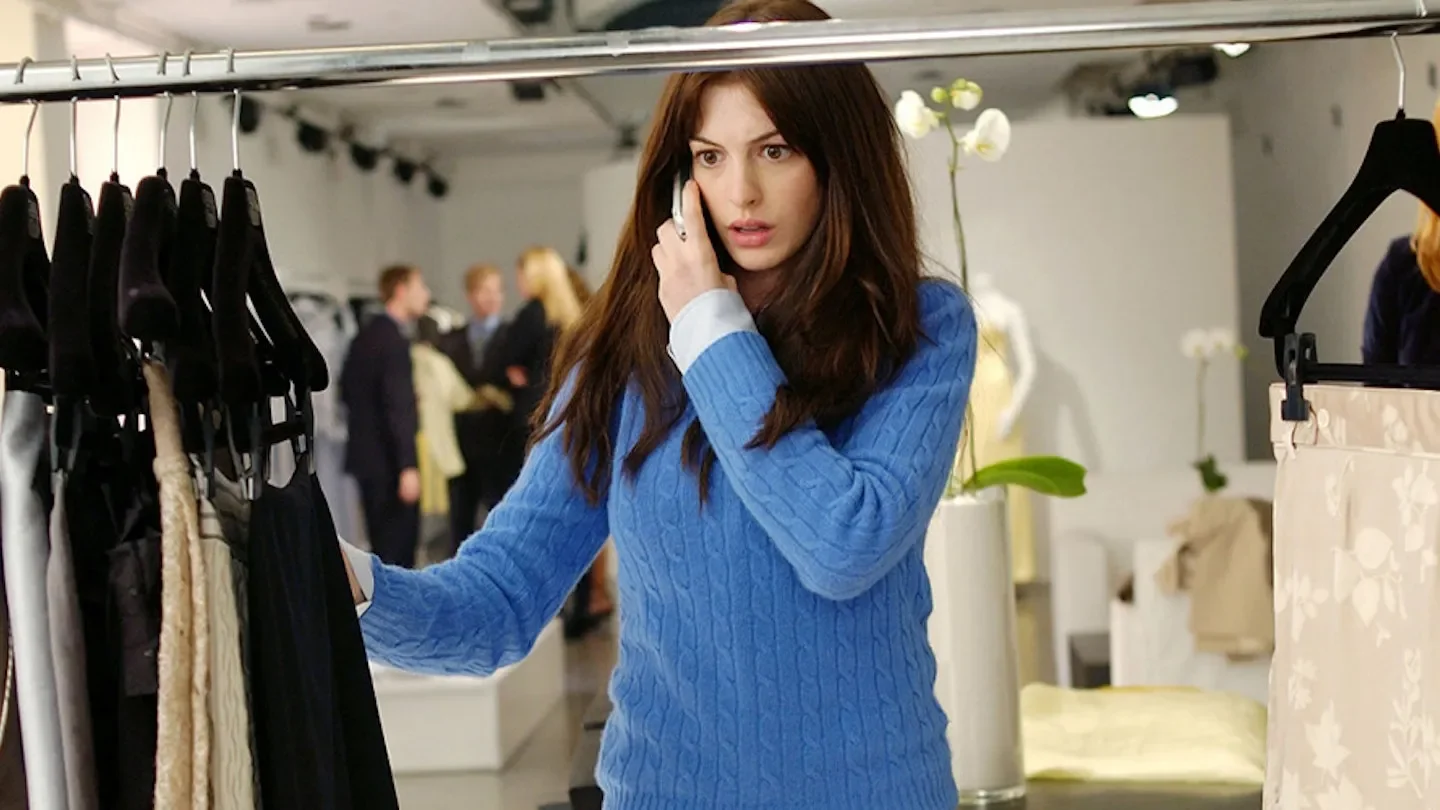
From The Devil Wears Prada (2006)
Maybe in a simpler time (hi 80s, hiii 90s) this once rang true, but according to both Bell and Revali, that logic has collapsed.
“I feel like it's almost the opposite now because fast fashion is so incredibly dominant, a lot of the runways are actually just trying to emulate and look at what fast fashion items people are buying the most,” Revali said. “I think of how fashion week would have never given space to H&M and now all of a sudden, it did, because they're correct when they say, this is the largest consumer brand at this point…It's hard because the trends are not to emulate the rich but to be enviable online.”
While Bell agrees that Miranda Priestly’s design tangent doesn’t reign in 2026, she describes the reason being more pointed and arguably, more harmful.
Major fashion houses have the luxury to utilize expensive WGSN Trend Forecasting reports to build collections around, because they are multi-million dollar companies that ultimately need to make a certain profit margin to appease shareholders, as Bell explained. However, smaller emerging designers may not be able to afford Trend Forecasting reports, therefore getting inspiration from their own experiences, cultures, and individual tastes.
“I never felt like it was a top-down approach…I feel like small designers are the ones who really have their ear to the streets and boots on the ground to what is happening,” Bell said. “They are the trend reporters, because they are the ones that can see what's going on in their neighborhoods and communities and reflect that in their clothing.”
The dominoes just keep falling, because as Revali briefly mentioned, social media plays a crucial role in both trend-making and the who-done-it-first limbo. Stylist Carlos Nazario told Vogue the same in 2024.
“For every visionary designer there will be 25 followers who will blow in the direction of the wind,” says Nazario. “Those are the people who will underscore a trend and give it momentum, they solidify that a trend is happening because they follow it.”
Revali describes how influencer culture that has exploded in the social media has created, “a voyeuristic relationship with fashion” and that, “virality is the new social currency.”
But with how quickly trends get packaged up, they are just as quickly broken down and swept away, leading to brands, both fast-fashion moguls and higher-fashion, to compromise on fit and quality to deliver in step with peak virality.
I can’t help but think of the Miu Miu incident with Wisdom Kaye. A fashion influencer with over seven million followers spent $18,000 at Miu Miu, and his sweater buttons popped off, and his vest zipper was broken. The Prada Group company quickly tried to rectify, not by fixing the items, but swiftly replacing them–with more items that broke. Christopher Banks points this resolution out in the Luxury Paradox Collapse.
“The brand's immediate offer of a replacement rather than a repair spoke volumes. It signaled that these items were disposable, mass-produced products, more akin to fast fashion than to a timeless investment,” Banks said.
So, do we even need trends?
If these tight turnarounds and constant plagiarism concerns, which are repercussions of trends, are causing clothing to become more like a corporate-cogged machine every day, why follow them?
The reality is that trends don’t only cause harm; the mechanics of big Fashion actually allow for community and culture building. Moments in the zeitgeist like Labubus brought comedic relief for some, and a true whimsical childhood excitement for trinkets to others. Nostalgia and conversation stemmed from the skinny jeans debate throughout 2025.
“Trends give us something to look forward to and they give us a sense of identity. When I was really struggling to find community and a sense of self, being able to fit into a subculture––because subcultures are trends as well––that’s really important,” Revali said.
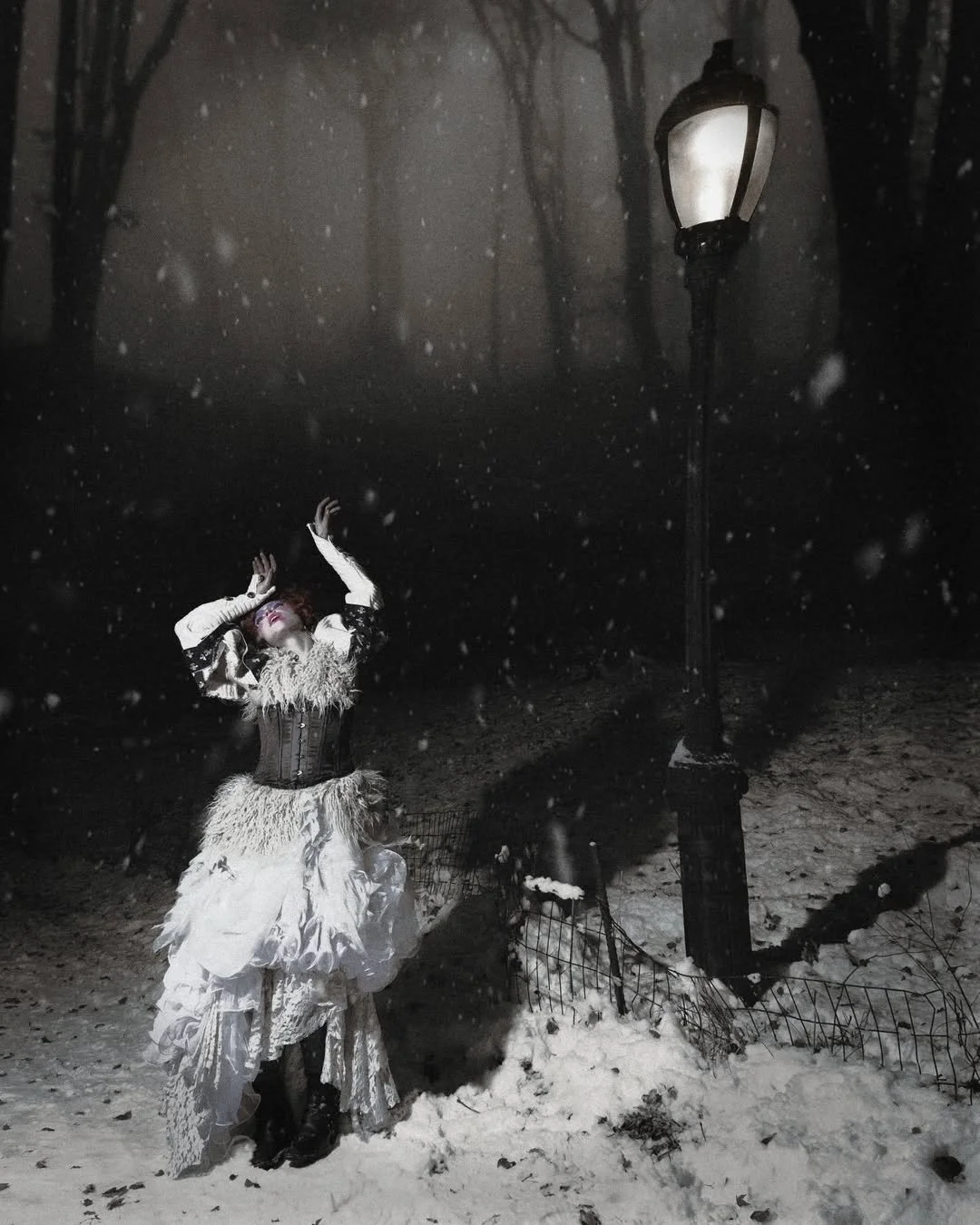
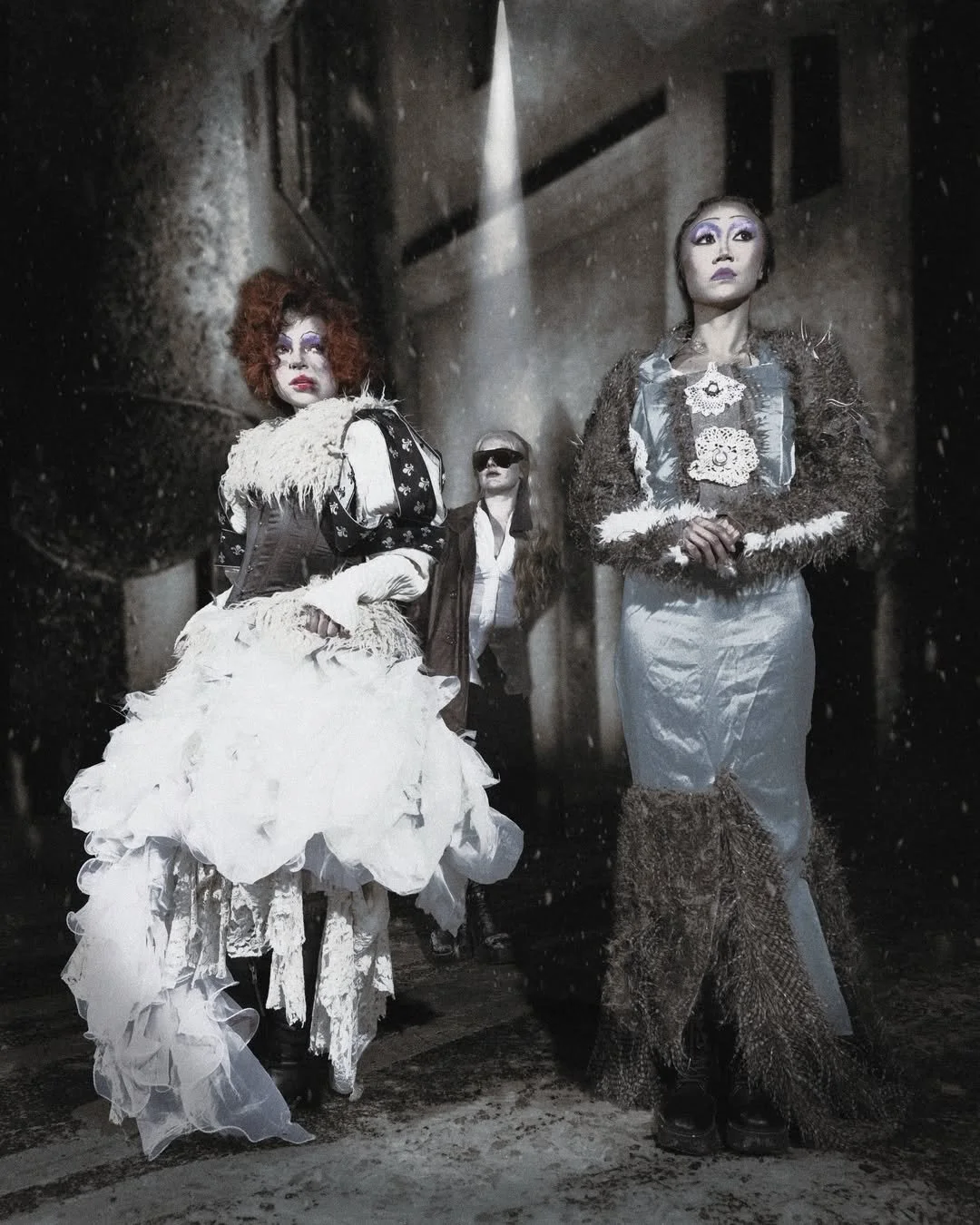
Photos by Oliver Barile, courtesy of Storrveldi.
Even though it’s not all bad, we’re still seeing a consumer shift of awareness. Bell explained part of her forecasting, and something we’re already seeing happening, is the de-emphasis on social media and digital pastime.
“It’s going to become a privilege to not be online so much. People are buying flip phones now, not being on their screens as much, you’re going to see that reflected in their outfits,” Bell said. “It’s going to be this notion like, who are you without all of these people dictating what you want to wear?”
So do the trends or the designs come first?
Well, it’s complicated. The people come first, the culture comes first.
Although it’s a gray area, not every designer is built the same. Trends can feel conspiratorial at times, yet organic if it’s rising through the cultural zeitgeist, not a media company. There are nuances based on a designer’s company, finances, values, and justification for making clothes to begin with. People shape the world we live in, and therefore give form to everything else thereafter.
If we think of Big Fashion like a car, from the outside we see an ostentatious, shiny thing, a vain ephemera that feels good to have, to be a part of. If we pop the hood, it may even be a reliable engine and all the right parts working in order. But drive away, and you’ll see the exhaust fumes.
It’s not a matter of if the car runs; after all, a well-oiled machine operates smoothly. But a well-oiled machine can still have a leak. We have to see it for what it is in its entirety.
If fashion is going to survive as an art form, it has to resist becoming purely reactive. I am a firm believer that great design comes from good intentions. Trends do their best work when they still allow individuality to shine through, and designers do their best work when it’s authentic, when it is punk and goes against conformity. As consumers, it is our responsibility to build our own personal taste. What trends mean something to you personally? What designs hold longevity to you? Do you consume for compliance or expression?
Storrveldi Photo Credits
Frankenstein’s Monsters, featuring @storrveldi’s new collection ‘Voices from the Middle of Nowhere’.
Photographer / CD: @oliver.barile
Designer / CD: @storrveldi
MUA: @breanatashay
Hair: @kaille.hair.stylist
Talent: @angelazballet @gisellelebedenko
Videographer: @harumorri
Photo Assist: @emgringo