
Galliano for Zara and the ‘Ethical’ Curtain of Fashion
John Galliano, a famed and revered designer, has recently joined Zara, the fast fashion chain. Reactions to the news have been mixed. Some were blindsided by the choice — Galliano is synonymous with luxury, opulence, extravagance, and grandeur, so why is he working at one of the most infamous brands in all of fast fashion?
Supporters seemed to calmly understand that this move was always in the cards for Galliano. Considering his recent departure from Maison Margiela and his two-year hiatus, a bold move was expected for his career. Galliano himself said about his fashion reaching new rungs of accessibility, “To deliver fashion through that enormous platform—that, of course, that’s thrilling. And to be able to work with the kind of resources they have as well, that’s equally thrilling,”
But does the thrill of something excuse the ethical implications? According to some people, yes — Galliano’s appointment helps to “democratize” fashion, making high-end clothing accessible at a cheaper price point. According to other people, no — Zara holds enormous responsibility for the normalcy of fast fashion on the planet. Zara put the fast fashion business model on the map and started the “hot” trend of exploitation, human rights and animal abuses, environmental waste, and a plethora of other issues. So, what’s what?
Is the accessibility of designer fashion worth the moral stain a brand like Zara leaves on the world?
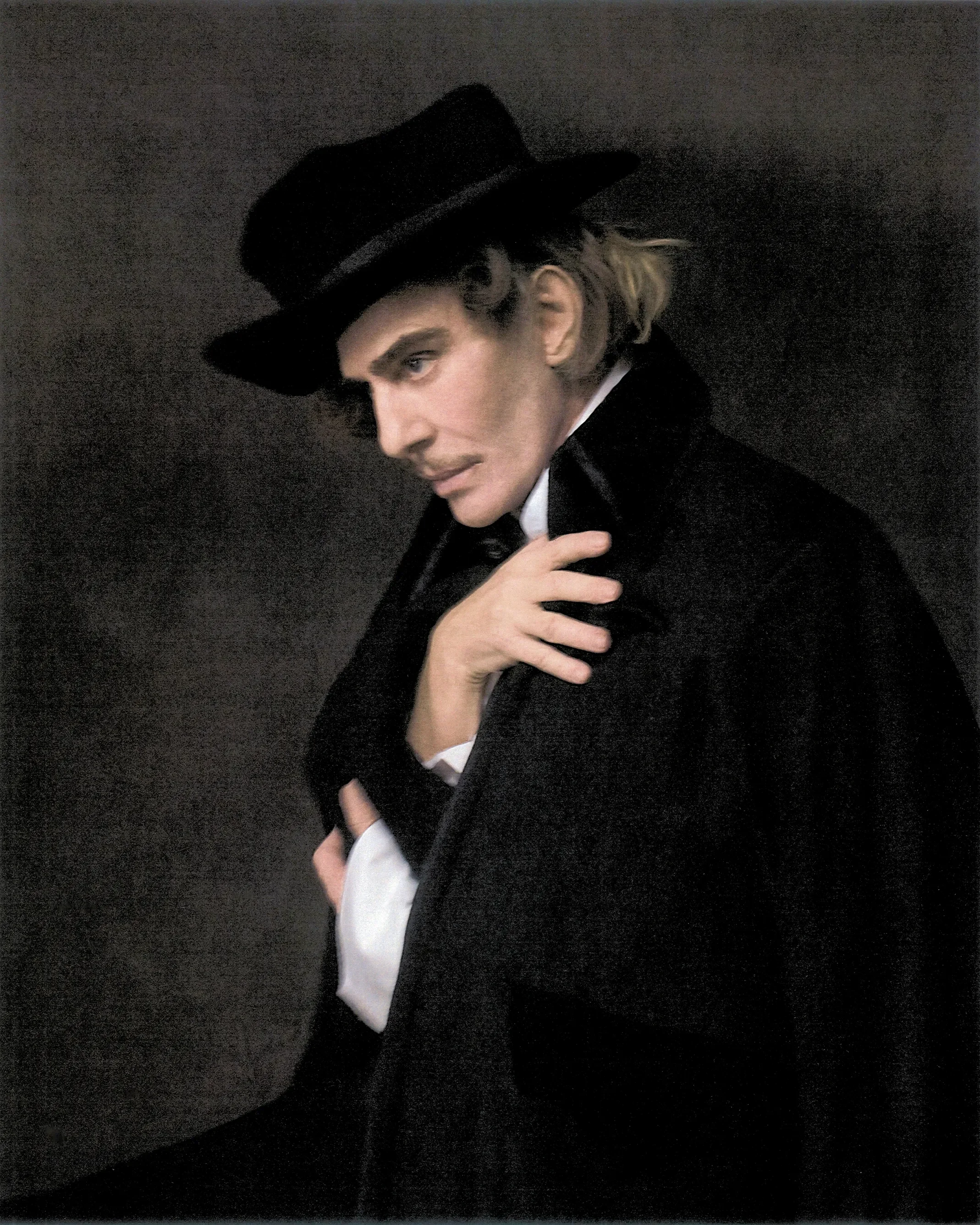
Photo by Szilveszter Makó
If 100 people were asked that same question, answers would most likely fall into one of four categories:
A solid “No. It doesn’t.”
A grey-area “Well, while fashion should be for everyone and designer price-points are grossly expensive, I don’t know if Zara is the best option…”
An enthusiastic “Yes, Zara customers want this”
Or, the inevitable, “Who are you talking about?”
The glaring double standard within two of those answers — grey-area and enthusiastic — is that democratizing fashion must mean democratizing it for everybody, and right now it just doesn’t. The person sewing the garment, the person creating the shipping label, the one driving the delivery truck, the minimum-wage mall worker, every single person who touches a “Galliano for Zara” labeled shirt needs to have access to clothing and the basic rights required for democracy, fashion-related or not.
Zara is not just a symptom of the fast fashion epidemic; it is a key contributor.
For the fast-fashion cycle to survive and dominate consumption as it does today, brands must rely on a few key factors: the theft of intellectual property, unethical labor practices, extreme environmental harm, planned obsolescence, and the purposeful acceleration of trend cycles. Each factor is destructive on its own, but when they culminate together, a force forms that leaves an irreversible mark on the world and its people. Now, Galliano is further darkening that mark.
Galliano is not the first designer to collaborate with a fast fashion brand, colloquially known as “high-low collabs”. Brands like H&M, Target, and Uniqlo are only a few of the fast fashion conglomerates that have collaborated with high-end designers like Stella McCartney, Victoria Beckham, Glenn Martens, Simone Rocha, and Maison Margiela; the list goes on. The revenue generated from these collaborations doesn’t lie — they are goldmines. They attract high-end customers who are loyal to their favorite brands and designers, and they attract people who shop the fast fashion brands consistently, whose budgets are more in line with the prices the major retailers can offer.
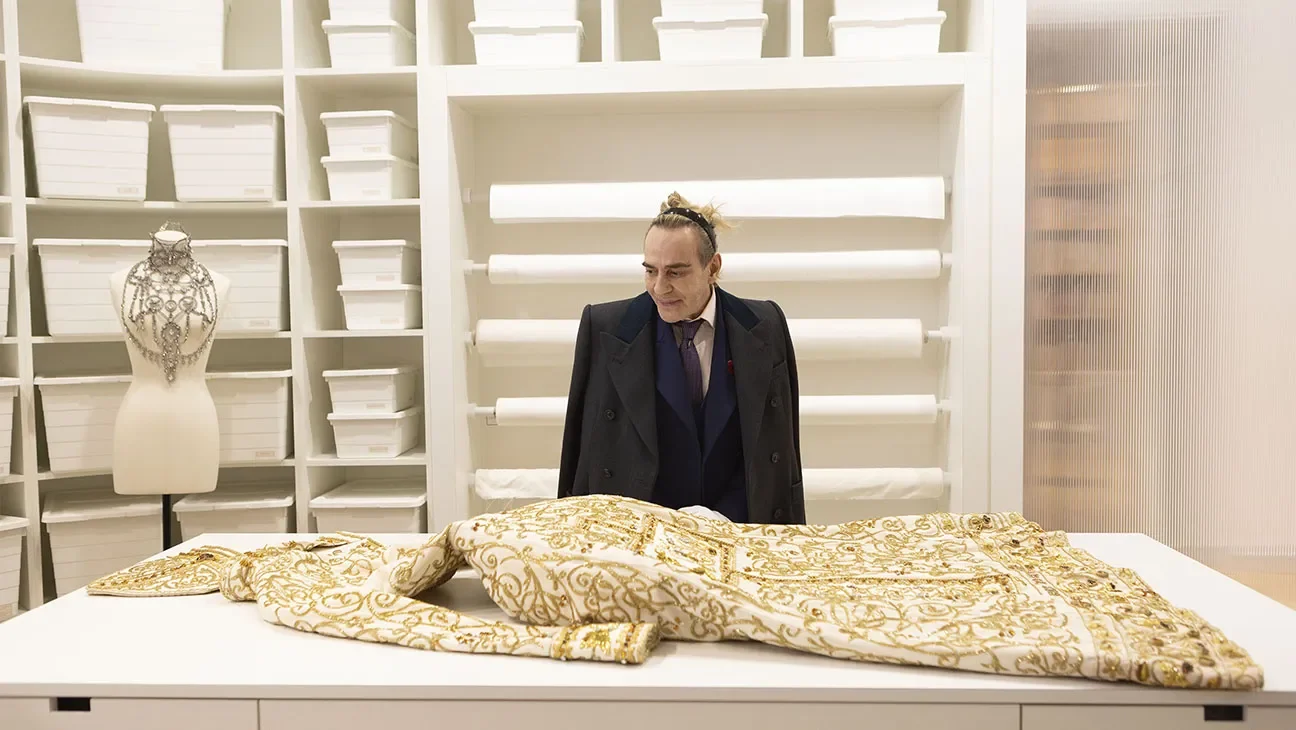
Photo courtesy of Telluride Film Festival
These collaborations express the true motivations of fashion — fast, designer, and everything in between. The truth is, fashion, as a multi-billion-dollar industry, relies on exploitation. Compare it to billionaire wealth — their status has much of the population claiming that they are unethical people for the same reasons, their accumulation of money and power is built on exploitation.
Thrill versus implication is the crux of Galliano’s argument. He says it himself, he is willing to not only overlook said ethical implications, but work in favor of them. The onus doesn’t fall solely on the consumer, but consumers can take the power that they do have into their hands. Rather than shopping the Galliano for Zara collection(s), which, given recent inflation, may be priced higher than other recent high-low collabs, consumers can look to second-hand markets like Depop, Poshmark, eBay, The RealReal, Vinted, and more, as well as their local vintage stores.
Searching for vintage/secondhand Dior and John Galliano tags can be expensive, but monetarily speaking, it is more sustainable — both environmentally and financially — to buy a singular secondhand Galliano garment that costs $150 than to buy multiple $50+ firsthand Zara garments. Planned obsolescence, as mentioned above, plays a role in this. The vintage garment is constructed to last and the fast fashion design simply isn’t.
The nuances of consumption versus creation are important to acknowledge as it is a tricky line to walk. Nonetheless, consumers and designers, and arguably most importantly, corporations, need to create a better industry. The impact may be minor or massive, but impact is impact, and at this point, that is what fashion needs.