
Is Fashion Week Actually Making an Effort to be Sustainable?
Fashion Week remains the most premier event in the industry, held twice annually to highlight designers’ newest creative works and signal upcoming trends – for buyers, media, influencers, and the general public alike. Many say Fashion Week is on the way out (or at the very least changing completely), though its influence far outweighs any other criticism. It not only gives the industry a sense of global direction for fashion as a whole, but it also gives designers an opportunity to respond to important and ‘hot-topic’ issues within the space.
Sustainability and circularity have long been at the forefront of many pressing conversations within fashion, especially over the past decade, but I came across a crucial question I couldn’t find answered anywhere online:
Is mainstream fashion actually making an effort to be sustainable at fashion's biggest event of the year?
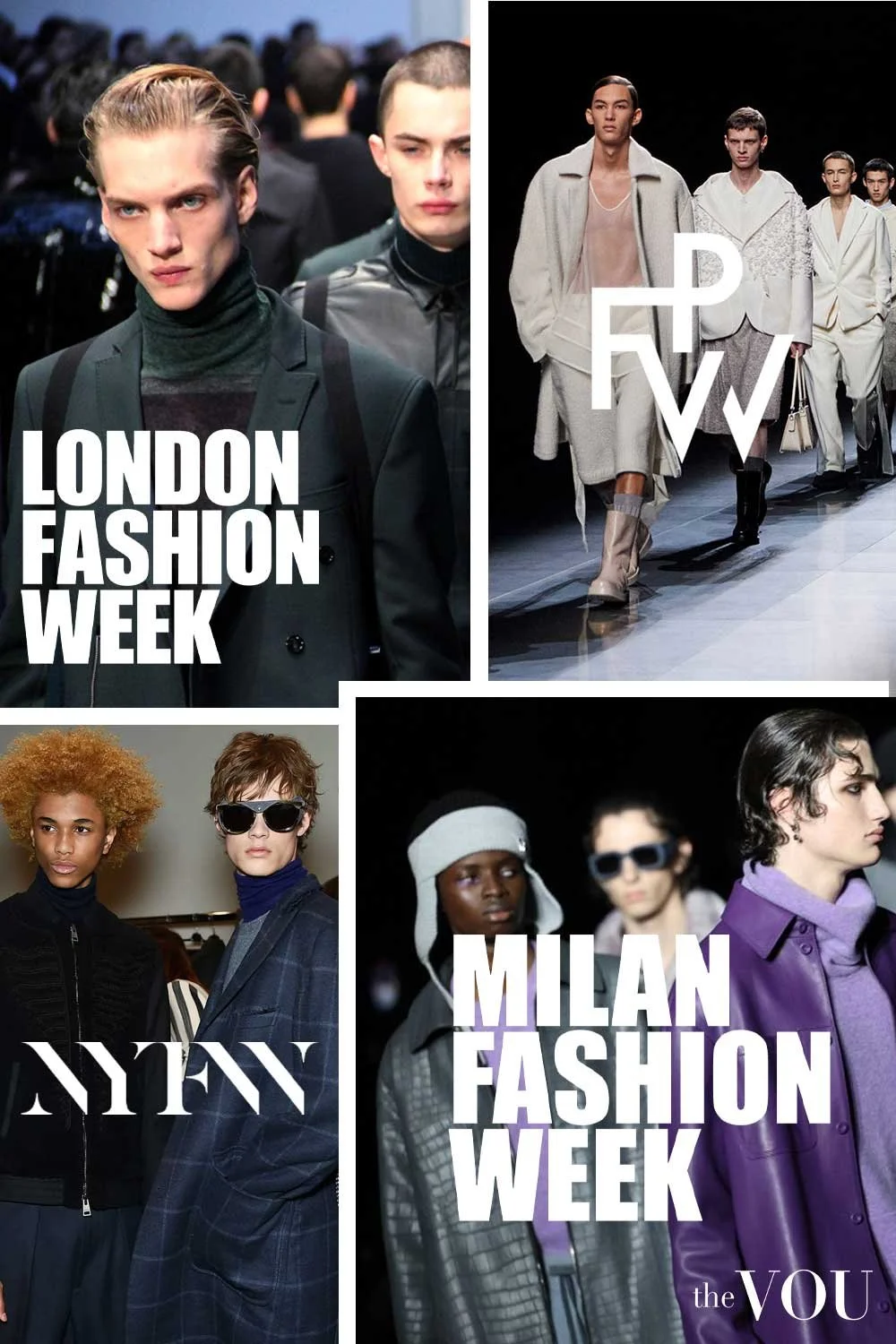
Coming off the recent Autumn-Winter 2026 season, I decided to look across the 400 brands and events featured on the four major fashion week official calendars for the latest season (London, New York, Milan, and Paris) and see just how many of them implemented sustainable practices in the making of their collections.
For the sake of transparency in how this was calculated, I searched each brand/event on Good On You and Google and reviewed each calendar to see whether they practiced sustainability tactics.
Processes that qualified them as sustainable included: the use of deadstock, upcycled, or organic materials; slow-fashion practices like made-to-order or small-batch production; transparent supply chains or artisan partnerships; a foundation in circular practices; and/or public sustainability initiatives or certifications.
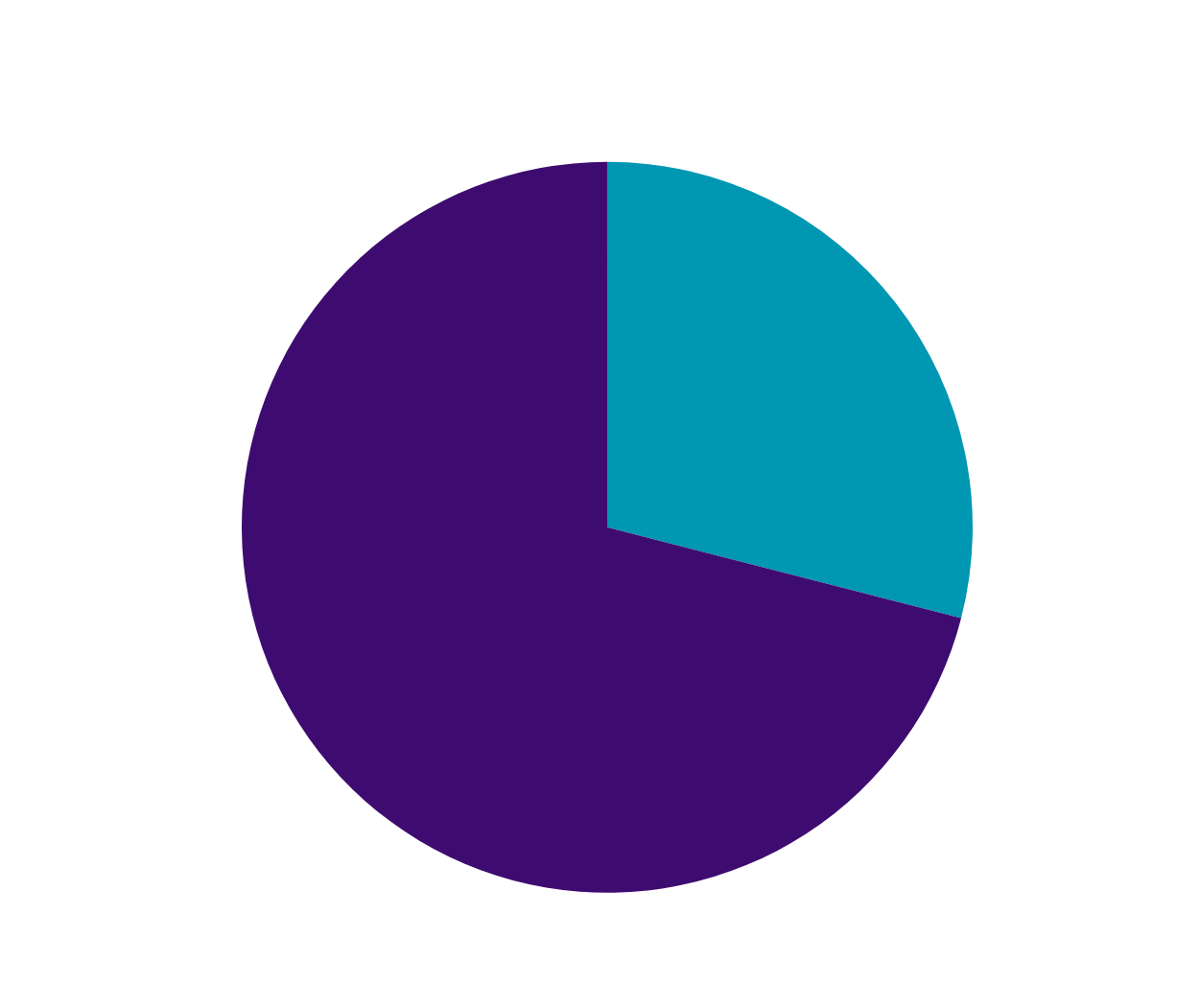
I found that 116 brands and events featured across the four fashion weeks engaged in one or more of these practices. This accounts for 29% of the total 400 brands and activation events that appeared this season.
London had the highest number of sustainable events and designers, with 43% of designers and events at London Fashion Week utilizing these practices.
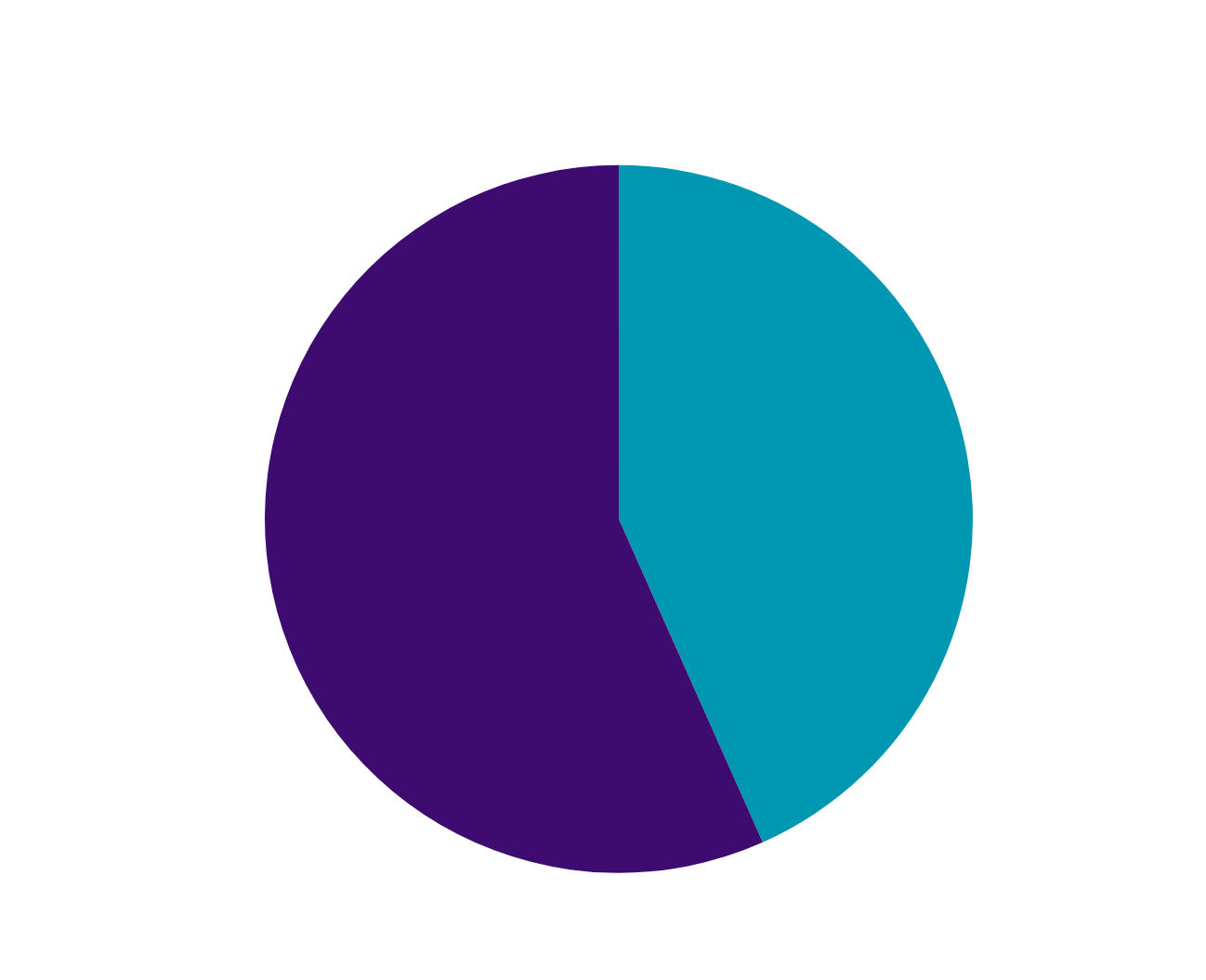
This is consistent with London being the first of the big four to adopt sustainability requirements, and with its adherence to EU/UK-specific fashion legislation, such as the Environment Act of 2021, the European Green Deal, the EU Textile Labeling Regulation, and Extended Producer Responsibility.
This was followed by Paris at 32% for Paris Fashion Week and Milan at 21% for Milan Fashion Week. New York offered the least, with only 20% of its showings and events utilizing these practices for New York Fashion Week. New York also has the most lenient sustainability laws within fashion.
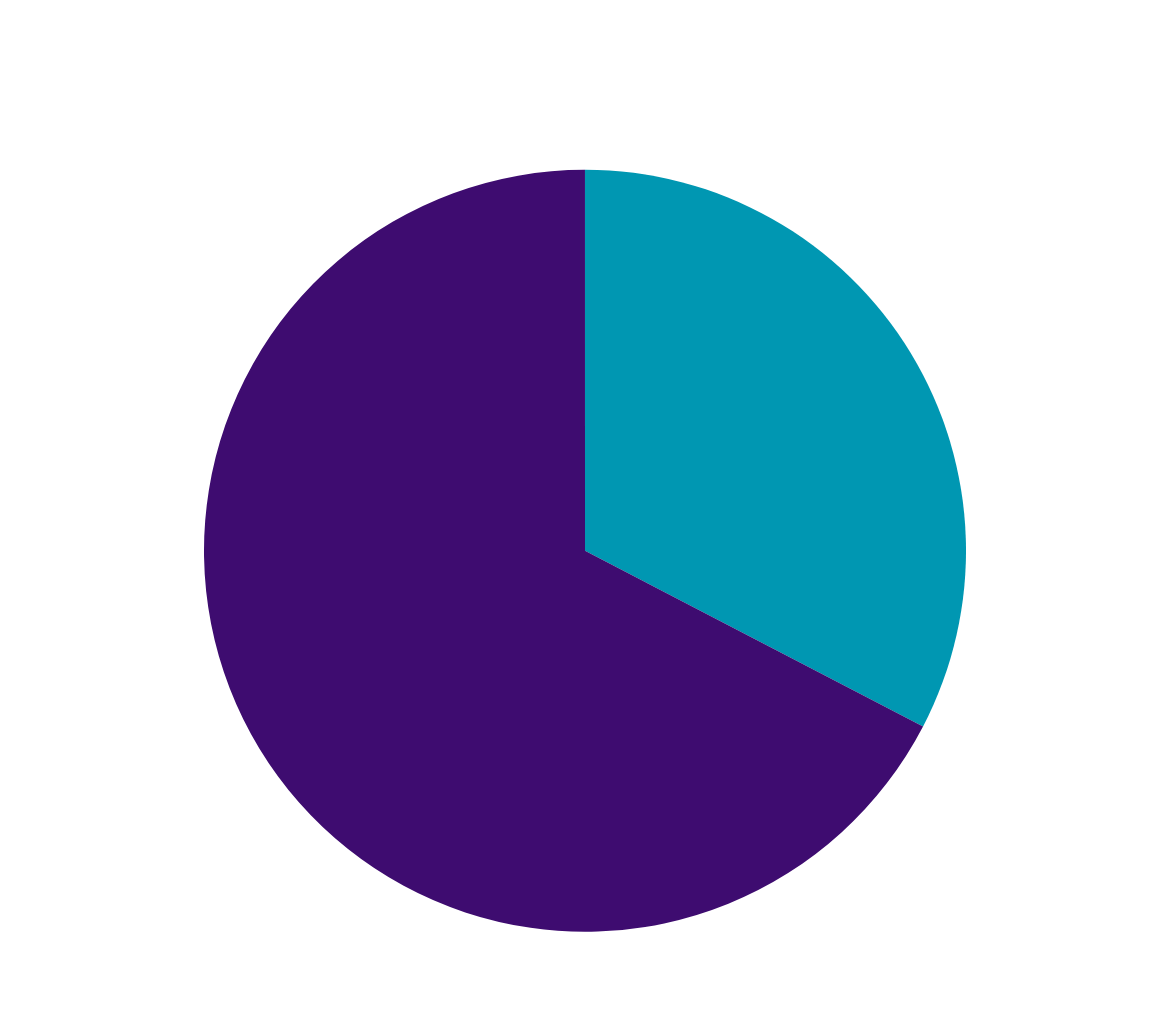
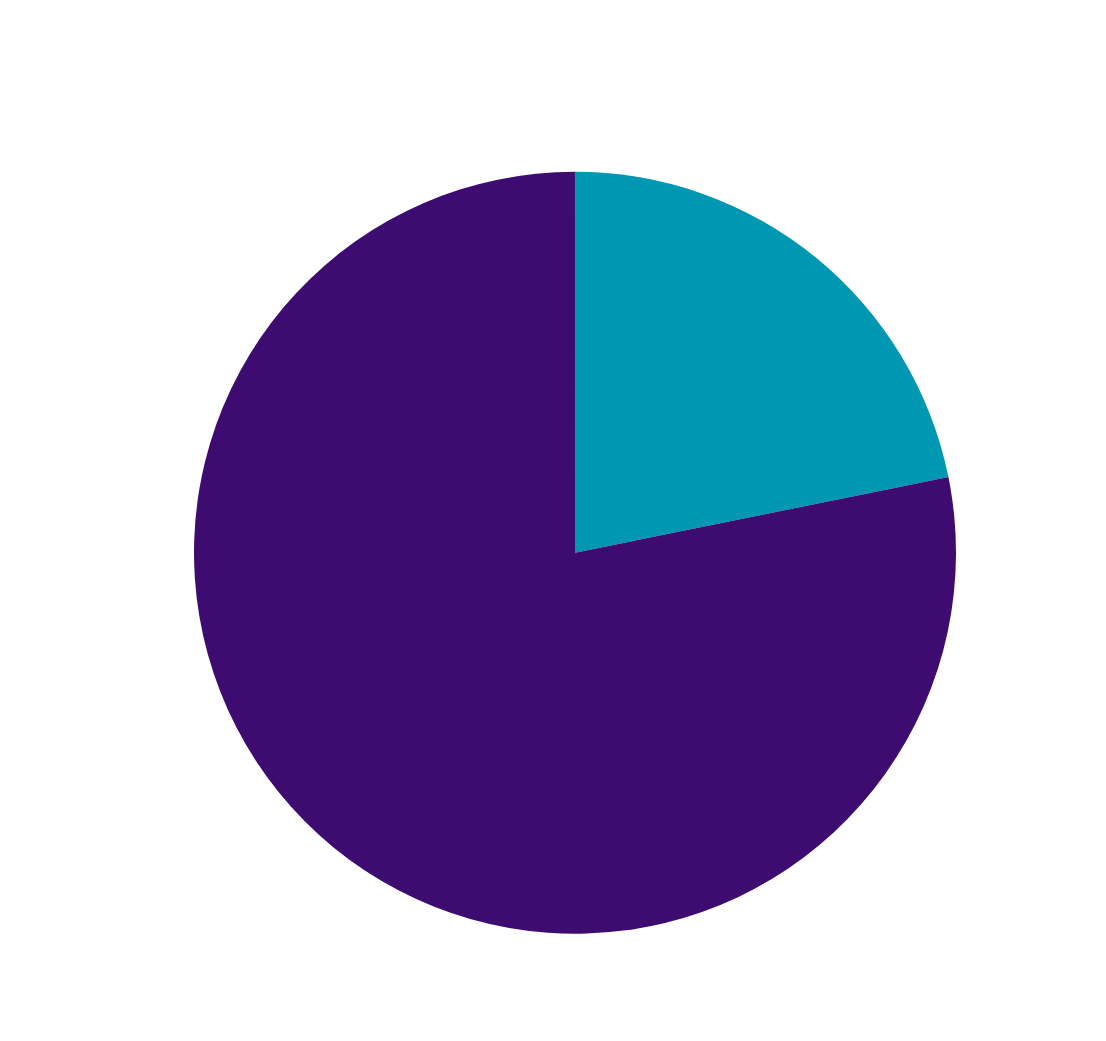
While we can’t necessarily say that correlation is causation, these calculations suggest that legislation may be helping increase the number of designers and events that incorporate sustainability into their practices, while also highlighting the broader context in which countries are prioritizing sustainability initiatives. So the answer to my question was a (somewhat) surprising yes – the fashion industry has shown that sustainability is becoming a priority at major events like Fashion Weeks worldwide.
But, would this be enough? And to this, I felt my answer ought to be a resounding no.
That’s not to say that consumers aren’t increasingly prioritizing sustainability: 66% of all respondents and 75% of millennial respondents in a recent study said they consider sustainability when making a purchase. Another 2021 study showed a 71% increase in global online searches for sustainable goods over the past five years.
However, concerning industry statistics far outweigh these positive ones. 60% of all materials used by the industry are made of plastic, fashion producing 20% of the world’s water waste, 85% of all textiles ending up in landfills, and industry emissions set to increase by 50% by 2030 are just a few of the many readily available from decades of research. The wider fashion system, especially involving fast fashion, still needs to be addressed and held accountable.
It’s important to recognize that a significant amount of change comes at the individual level for an issue as gargantuan as this, and many consumers can likely control only their own practices and sustainable choices within fashion. Whether it’s through focusing on their own consumption, such as buying less or making an active effort to shop only secondhand or locally through small businesses, or preserving owned pieces through mending, recycling, and swapping with others.
But what are some ways that consumers can hold the fashion giants accountable? Firstly, pushing for transparency surrounding working conditions, materials used, supply chains, and environmental impact would be a significant step. Supporting brands that engage in sustainable practices also helps consumers be more mindful of their consumption habits, normalizing consumers understanding where their purchases come from. When brands are rewarded for transparency in their practices, it should lead to a more honest industry as a whole.
Education is a large part of it, too, and remaining an educated consumer is one of the best and most vital ways to not only be well-informed about your own decisions but also to hold others in power accountable, i.e. keeping up to date on incoming legislation, environmental impacts, and companies making decisions that could harm the environment. A few resources for learning more about sustainable fashion include:
Beginner’s Guide to Sustainable Fashion from Scientific AmericanResources and Courses from the Center for Sustainable Fashion at the University of Arts in LondonSustain Your Style
Ethical Fashion Books and Sustainable Fashion Documentaries from Good On You
A few of the companies who are participating in sustainable practices include:
Maximilian Raynor, Annie’s, Patrick McDowell, Clara Chu, Phoebe English, Completedworks, Emilia Mala, Winter House, Oqliq, Genaro Rivas, Hector Maclean, Ashlyn, Collina Strada, Caroline Zimbalist, Stella McCartney, Junya Watanabe, Situationist, Art259design, Pangaia, Vitale Barberis Canonico, Themoirè, Alabama Muse, Prada, Cavia, Maxivive, and Edis Pala.
See our sustainable brands research here. Photos courtesy of The Guardian and Vou.