
Glitter and Fault Lines: a Euphoria Retrospective
You were there, I was there, and for a moment it felt like we were all navigating the same neon landscape.
Before the I.Am.Gia sets turned to tatters, Rue's glittering purple tears cemented a cultural moment. Euphoria constructed a language and cultural phenomenon for a generation navigating identity at the unique axis of adolescence and the internet. Now, in a world of slick backs, soap brows and clean girl minimalism, what once felt like recognition has devolved into spectacle.
I grew up in small town middle America where boredom fermented into addiction and femininity functioned as currency. As a dark skinned Black girl in rural America, hypervisibility was the tax of survival. To be safe was to understand how my body was read before a word ever left my mouth. Desirability became my armor. And Euphoria set forth a world where the main cast wielded that same shield.
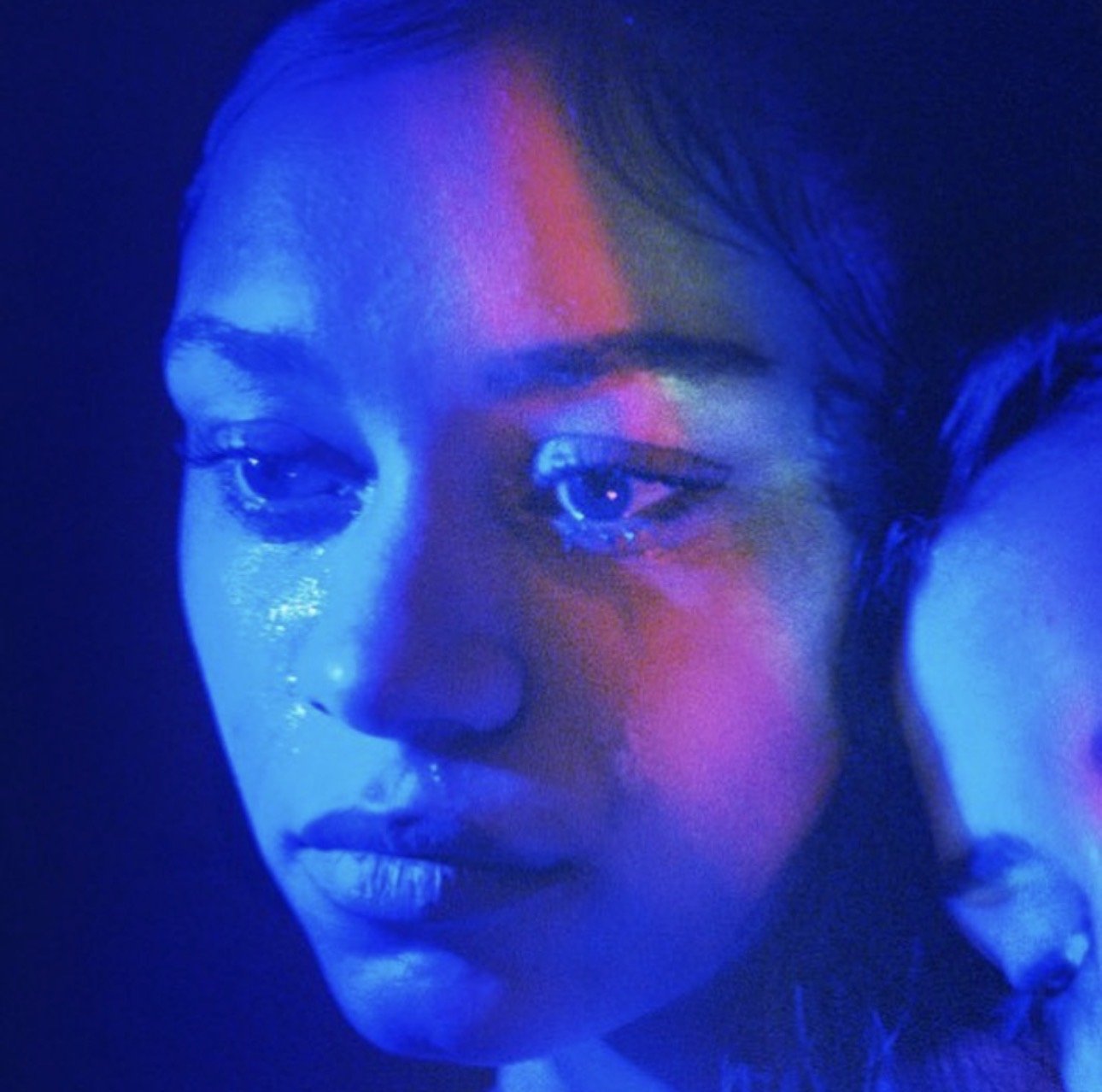
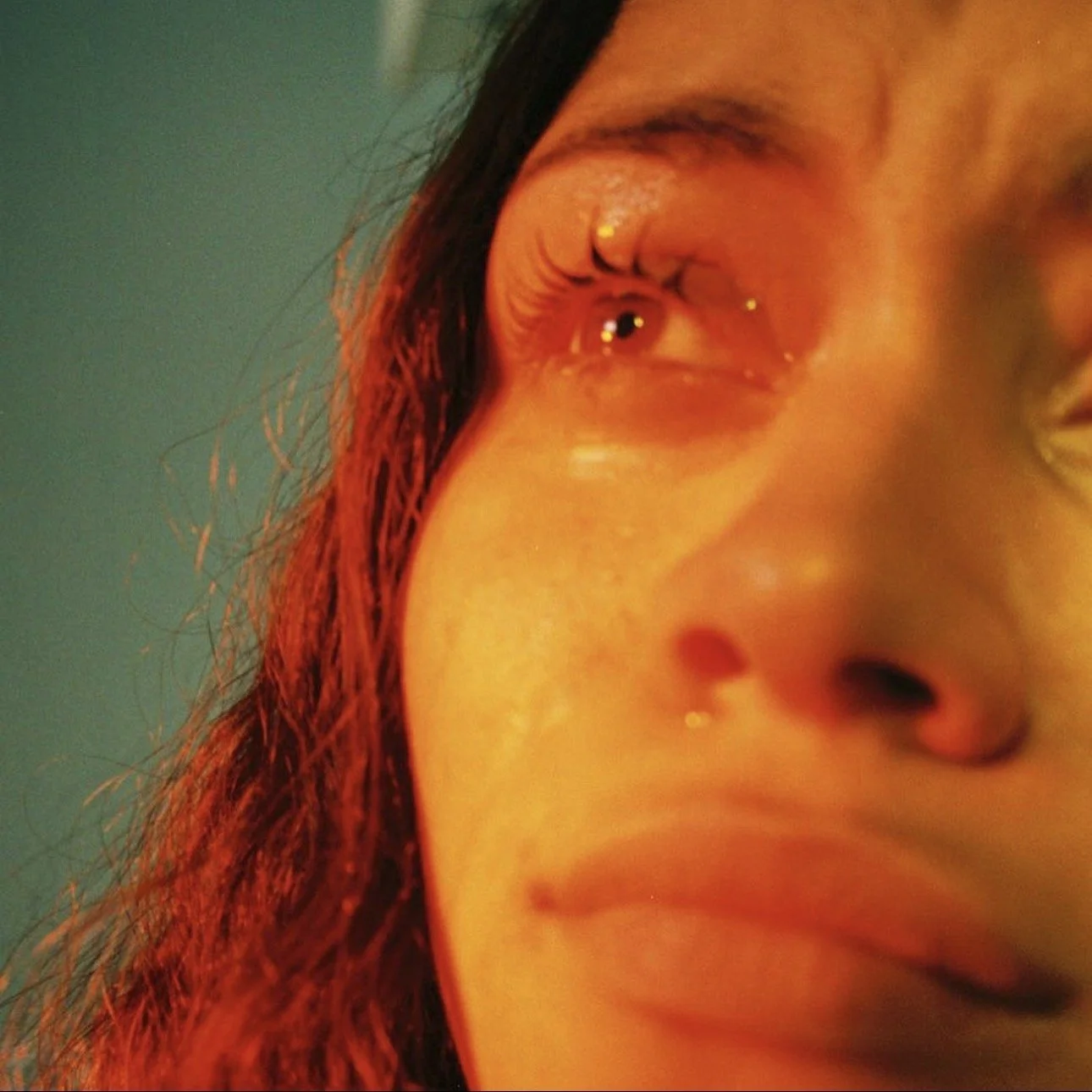
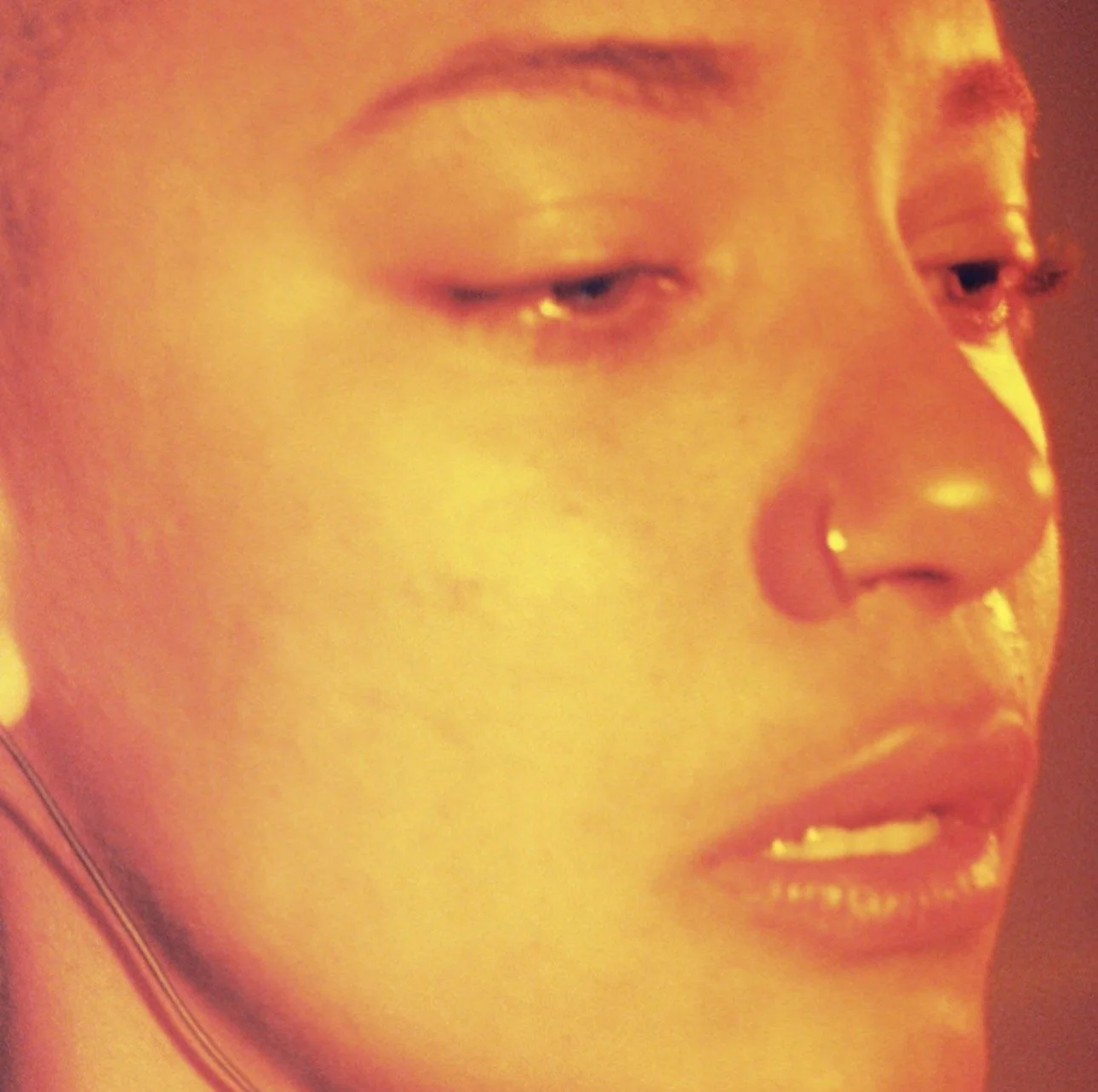
Photos Courtesy of Petra Collins
Euphoria often felt radical in its positioning of teenage sexuality.The coming of age stories of Kat, Jules and Cassie traced their individual negotiations with visibility, sexuality and survival. These story lines were an exploration of agency and performance. Their stories offered some of the most unique answers to a question many women interrogate from adolescence into adulthood: What do we do when the world decides what our bodies mean before we do?
Kat and Jules' storylines sat with some of the uncomfortable realities of femme adolescence. They were navigating sexuality and personhood in a system that is already hostile to fat and trans bodies. Kat uses desirability as a form of currency. Her dominatrix persona is portrayed through online sex work before it presents itself in her real life intimate relationships. This act of sexual reclamation is not romanticized. We see the ways in which Kat’s exploration of sexuality is often dangerous and reckless but also how it allows her to wield power that, though real, is a reaction to the exploitation that she has been actively working against.
Jules uses sexuality as a tool to "conquer femininity." For Jules, sexuality is research. She is trying to understand what femininity means for her. Her story is uncomfortable, precisely because it’s true. It reflects the specific danger that exists when a queer teenager's curiosity meets the internet and the men who wait there. Season one was willing to sit with that cruelty. Her often dangerous pursuit of self does not shy away from her softness, youth or queerness; it embraces it and creates a complex, nuanced and beautiful character with deep wounds and boundless interpretation.
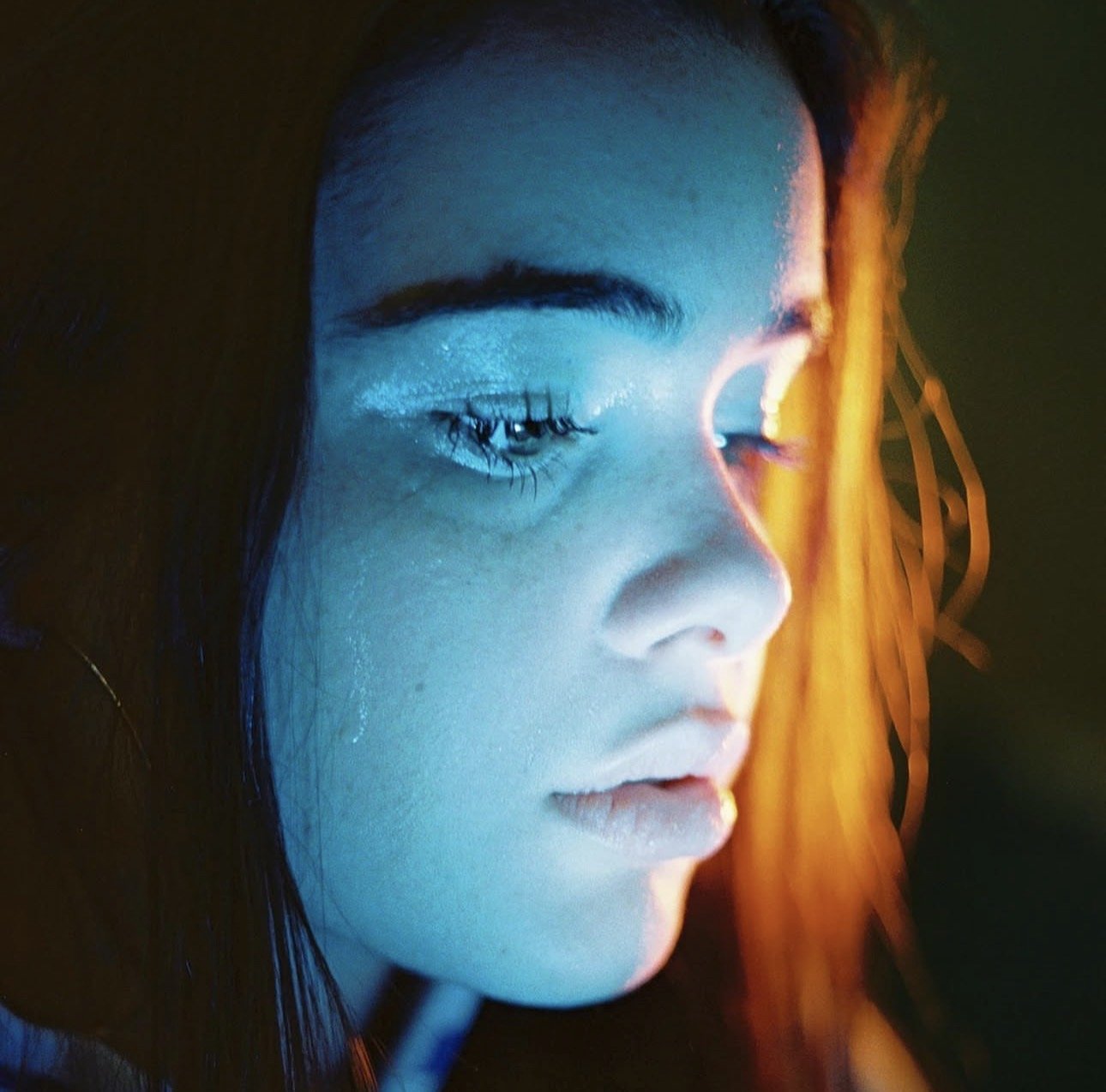
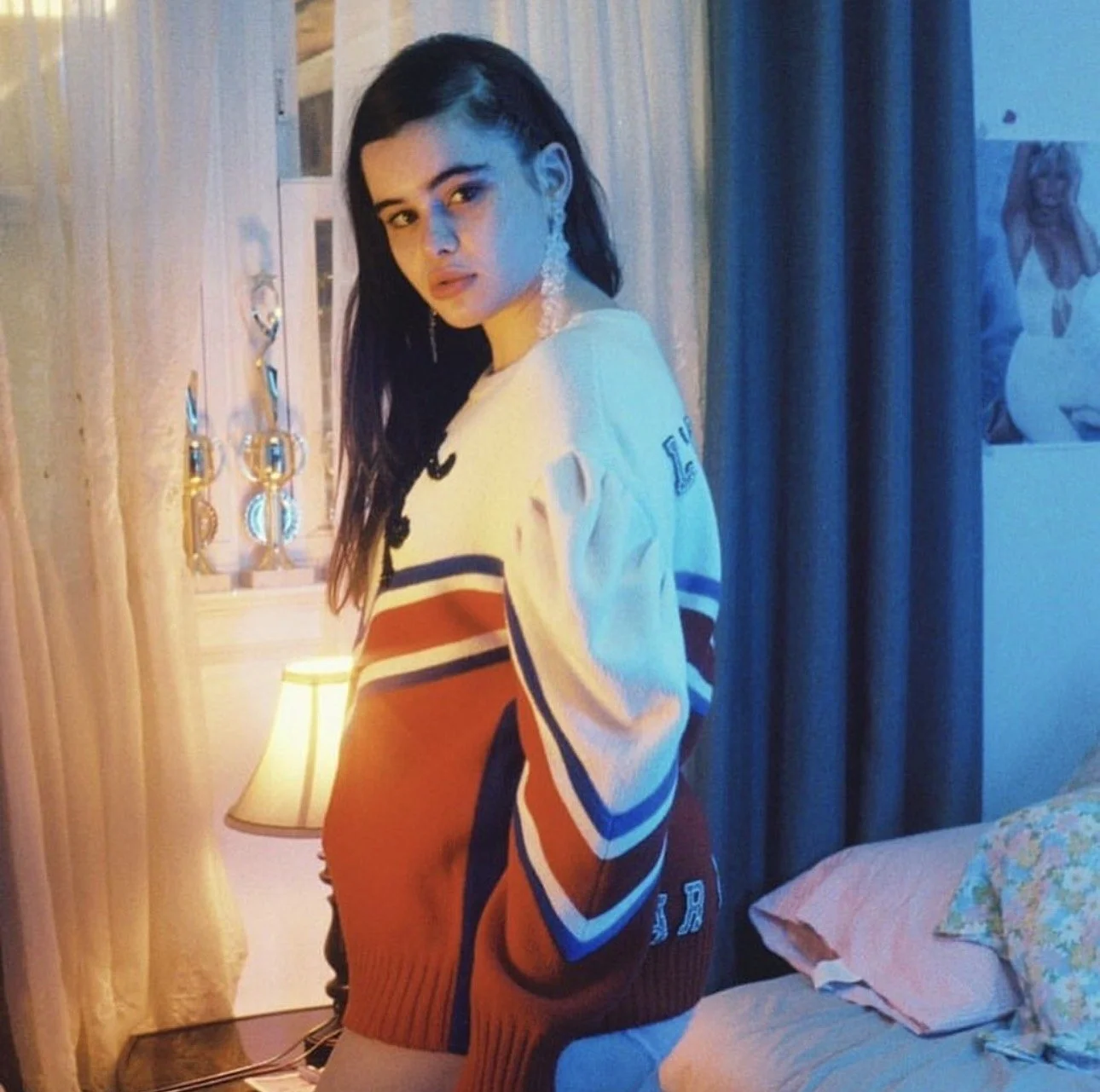
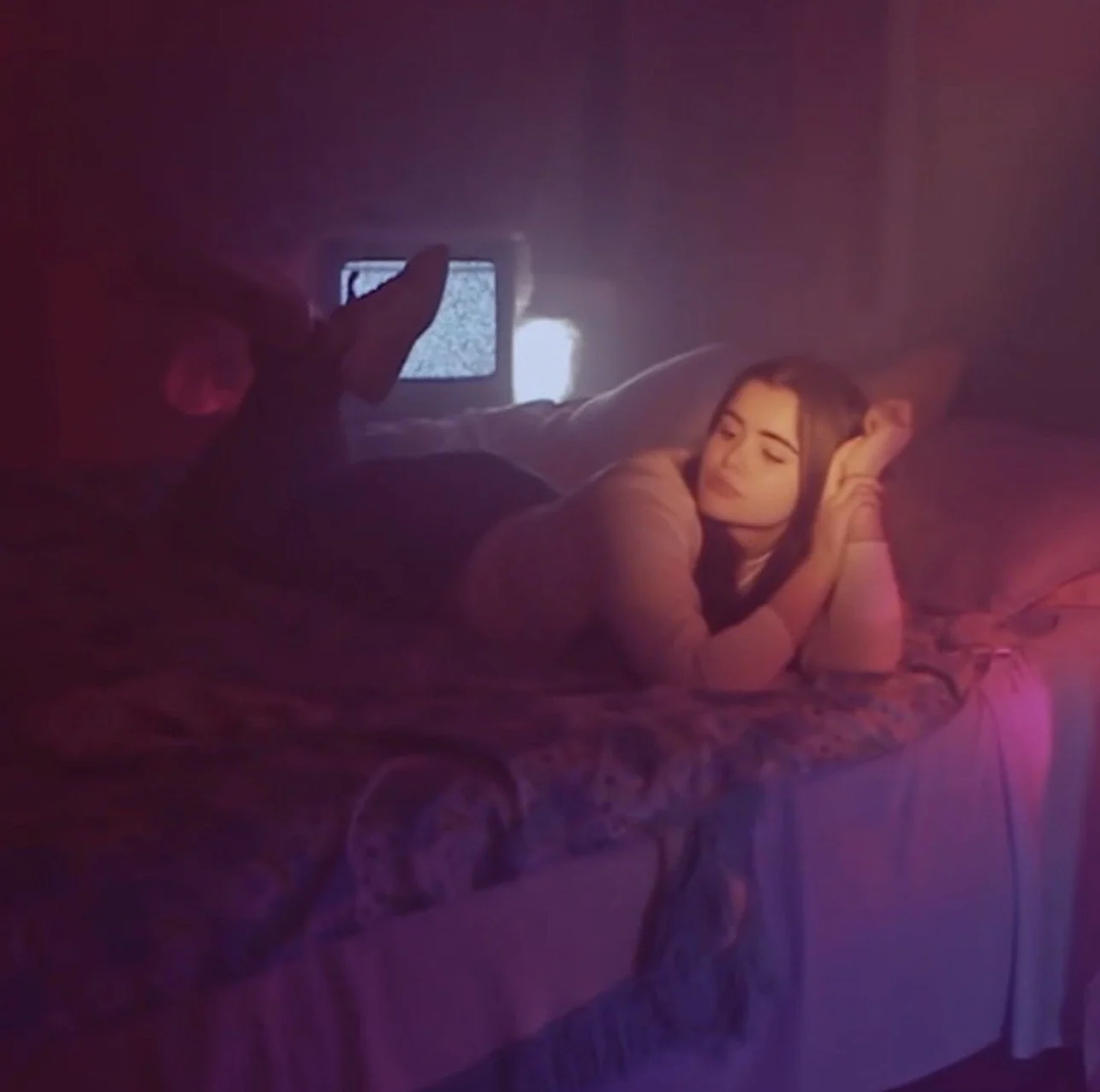

Barbie Ferreira photographed by Petra Collins
Cassie molds herself to whoever is watching, a character trait that would follow her well into season three. “Cassie fell in love with every guy she ever dated. Whether they were smart or stupid or sweet or cruel, it didn’t matter. She didn’t like to be alone.” This framework has become instinctual for Cassie. Her story explores both the privilege and abuse that comes with being perceived as beautiful. Cassie’s portrayal from Season 1 to Season 3 is unfortunately an atypical depiction of much of the dehumanization that occurs for women that are deemed conventionally attractive. Her character becomes more hollow as the seasons continue, ultimately fully succumbing to the labels she tried so hard to fight in Season 1.
There were always noticeable fault lines in the Euphoria storyline and by Season 3, Sam Levinson has completely blown them to smithereens. As the show grew into a cultural phenomenon that fueled fast fashion trends and endless digital replication, the show underwent the same regurgitation. The storylines of the female characters are all reduced to patriarchal archetypes that the show once challenged. By the third and final season Euphoria has now abandoned everything that made it worth defending.
Each episode hits the same beats, Nate gets beat up, Cassie exploits herself, Maddie exploits other women, Rue does something drug related, Kat has disappeared altogether and we might see Jules sitting in a dimly lit apartment. There is no variation in the sequencing because there is no interiority. These aren't character arcs. They're a straight man's cheap fetishization dressed up as social commentary.
Characters that once acted like a mirror appear more like brick walls. Void of depth, personal responsibility or any nuance.
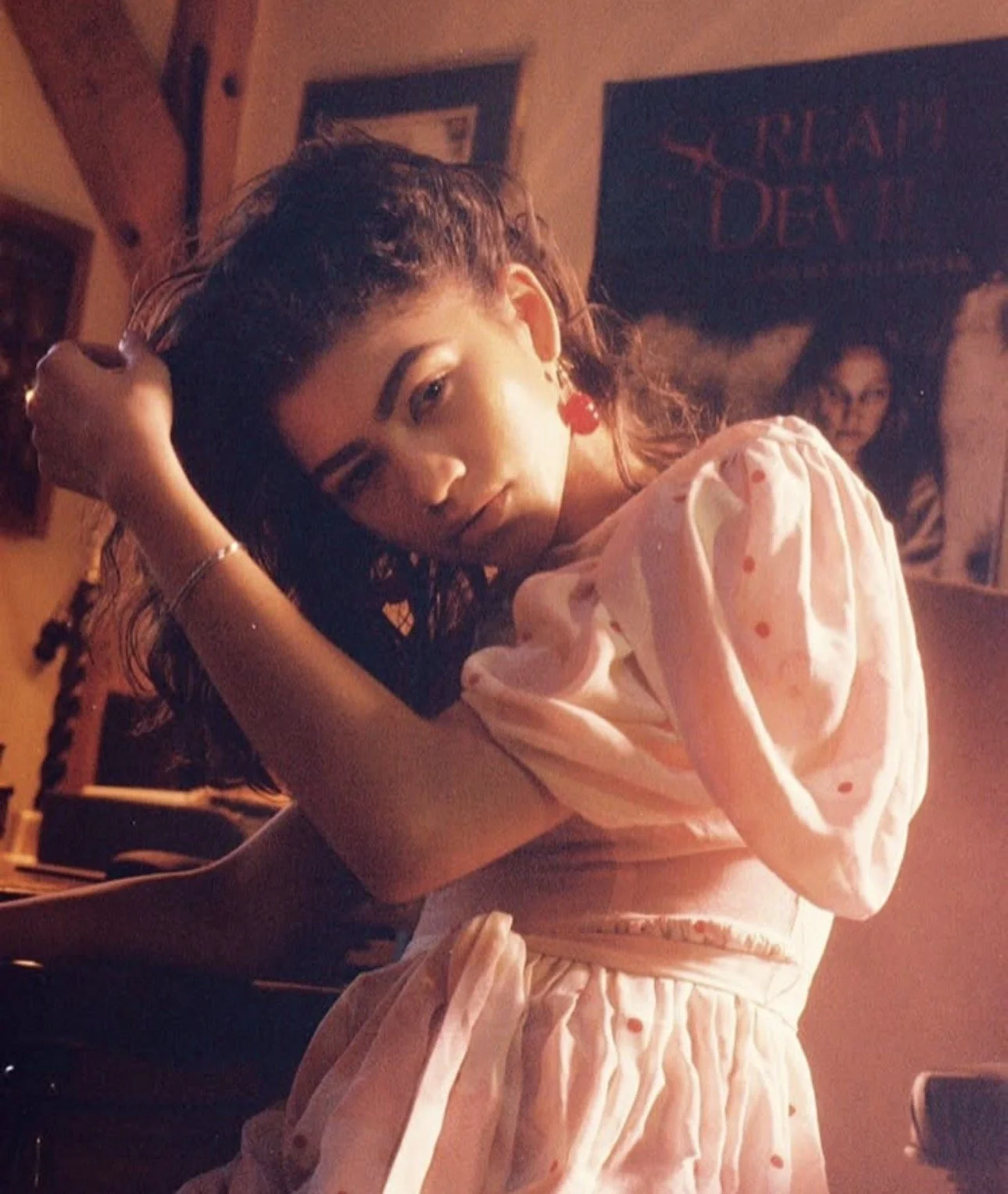
Zendaya photographed by Petra Collins
Season 3 is full of cheap thrills without any rewarding depth. Instead Sam Lenvinson has created a piece of work that has made a mockery of an entire generation that it previously had a thoughtful and compassionate interrogation of. The real weight of sexuality, the internet and the pursuit of financial stability has been reduced to a singular lane. This dynamic is clear as day in Levinson’s depiction of sex work and the people who participate in it’s creation. Every character's life path has been narrowed into some variation of it. Whether it be through performance, management or being utterly consumed by it. Sam Levinson explores a profession that is often viewed as taboo without also portraying any of the complexity of the people within it. Instead he tells a singular, and repetitive story.
Beyond the repetition there are no relationships interconnecting our characters. East Highland High held its own gravity. Our characters collided in the halls, at parties at bowling alleys the same way actual teenage life works. The interconnectedness of the show was a theme and a character in itself. Rue's narration offered us an insider's view of each character's world. In Season 3, there is no longer a world of Euphoria. This collapse of interconnectedness that we see on screen didn’t happen in isolation. There has been an unraveling behind the camera; one collaborator at a time.
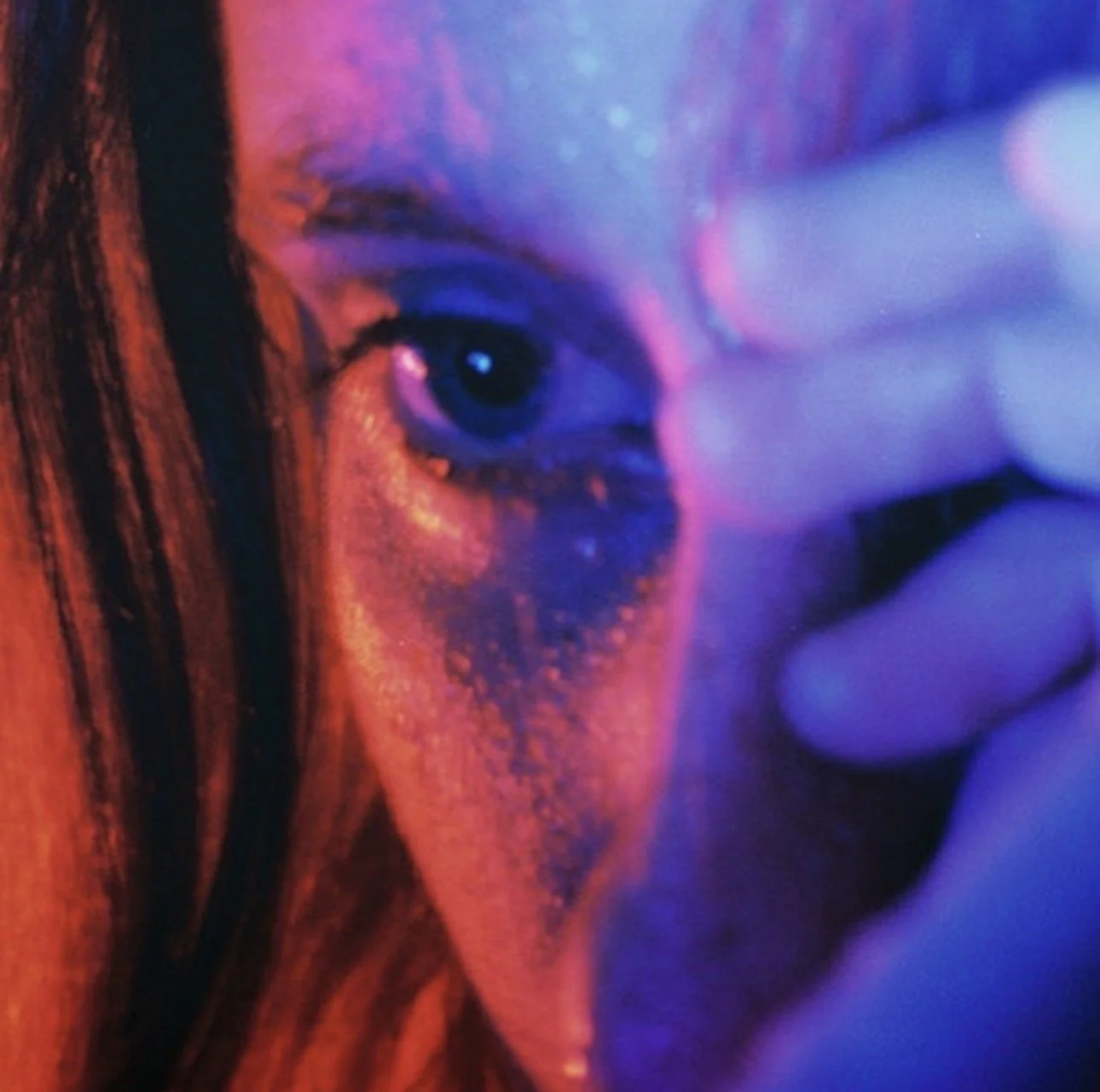
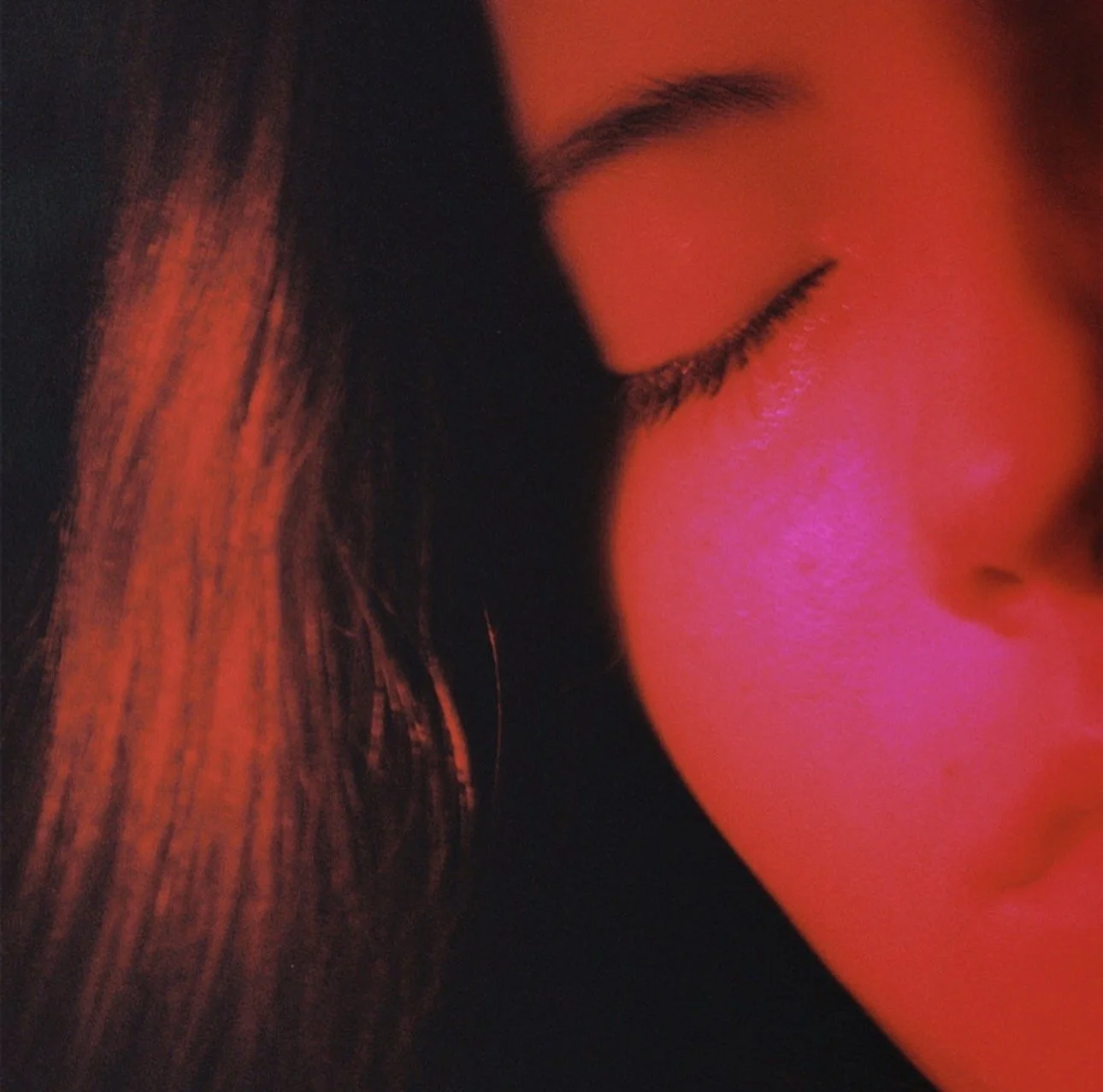

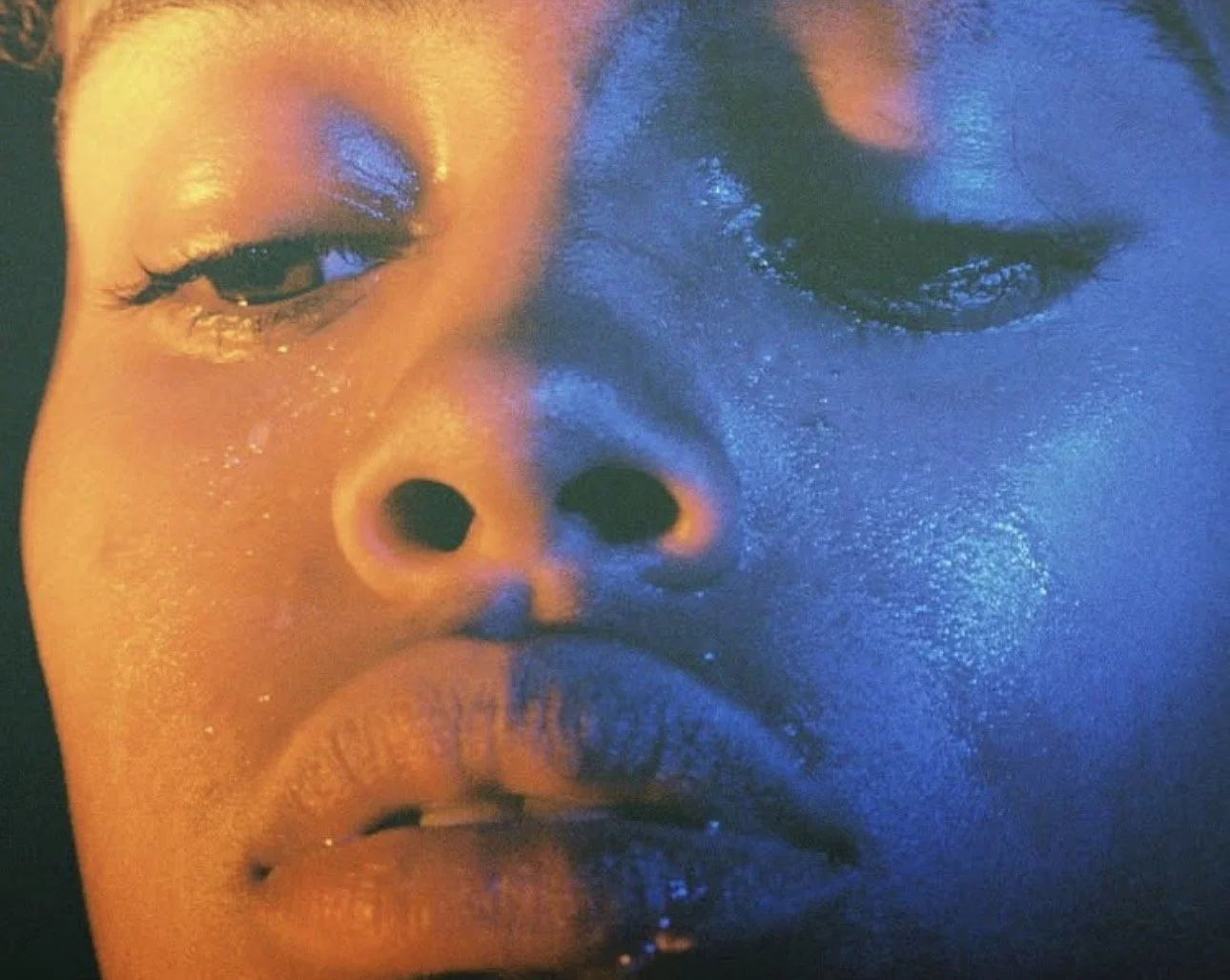
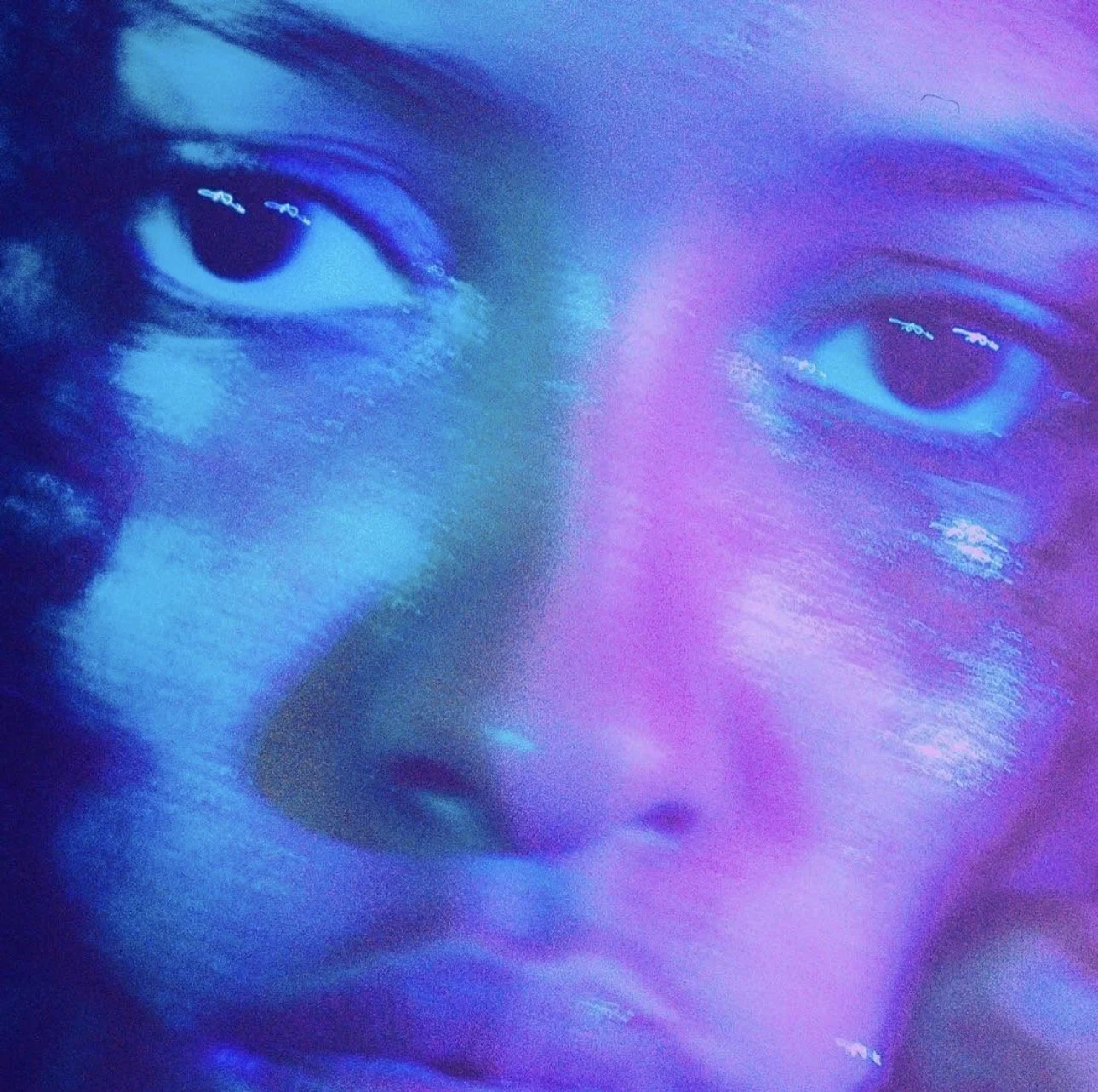
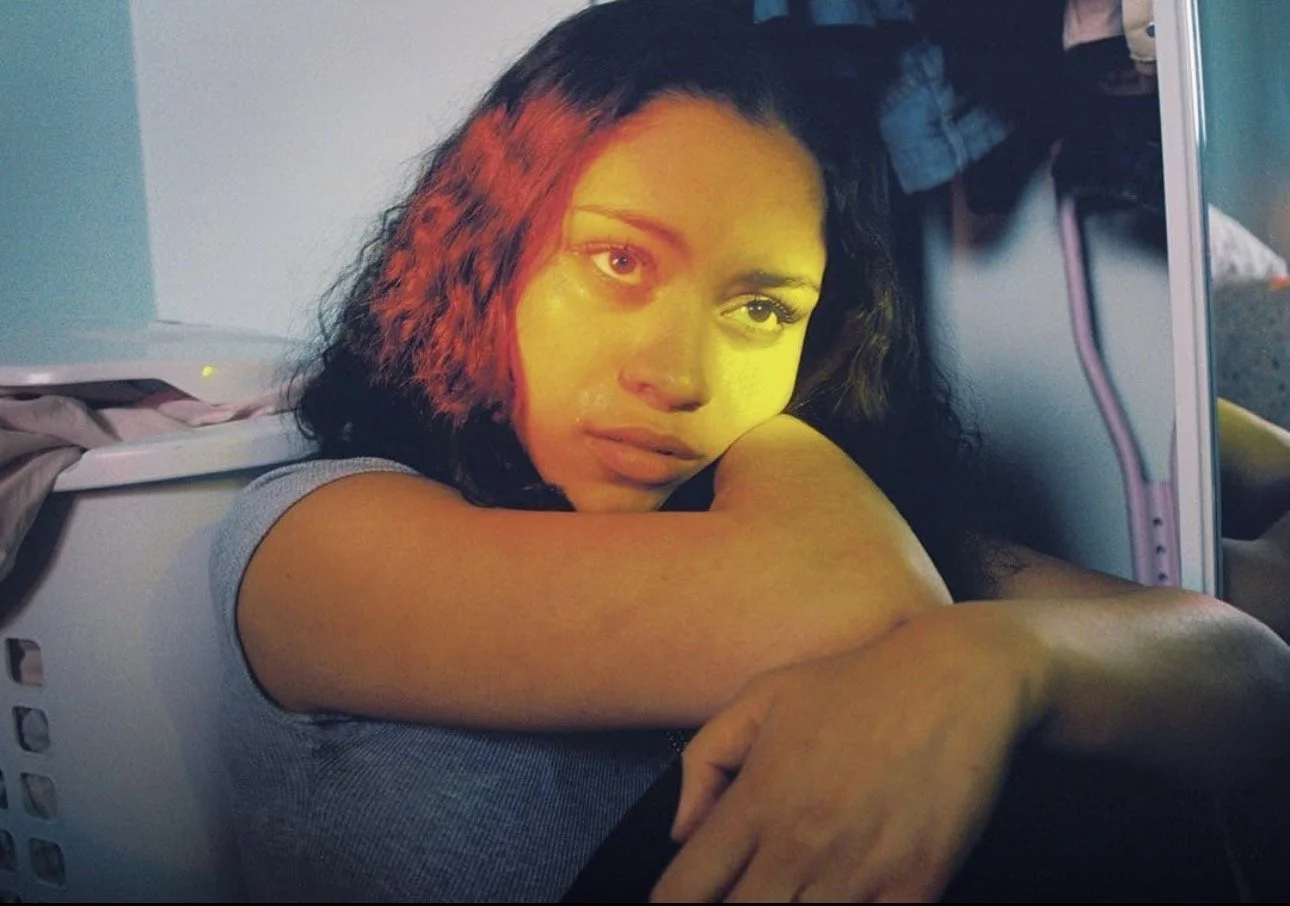
Photos Courtesy of Petra Collins
The collapse of the show as we know it is because the show’s beauty was never solely his to begin with. Labrinth's score was doing narrative work. The way sound swelled or collapsed under a scene told you how it felt inside of each character's body. Petra Collins' visual language rooted itself in the female gaze and how young women mythologize themselves from their beauty to their pain. Removing it and her from the story has changed the perspective the camera is representing. It’s been a brutal, noticeable and confusing shift. When Levinson lost and removed collaborators from the Euphoria world, the tension and richness developed from productive friction and feedback departed as well.
Now we are left with a storyline that looks at its characters now rather than through them. For a show that once made me feel truly seen, that is the most unforgivable offense. There are no layers underneath for any of our characters; there is only performance. To find them you would need a pretty good shovel.