Schema, Personified
“Fashion has become a joke,” Yohji Yamamoto says in a Business of Fashion interview. “It’s all about money. The major companies of fashion, they’re like kids playing soccer, just running after the ball. They’re not thinking about their customers. I just think they have too much money, so they don’t need to work hard. Money is always floating on them.”
Fashion and media can be a lot of performance, dancing together posing for the cameras and Instagram likes. Take that statement in as many ways as you want to, because it is multi-layered. Behind the smoke screens and red velvet curtains, there is a synergy that has to work together between the two, but like every performance, something else has to play a part; the audience.
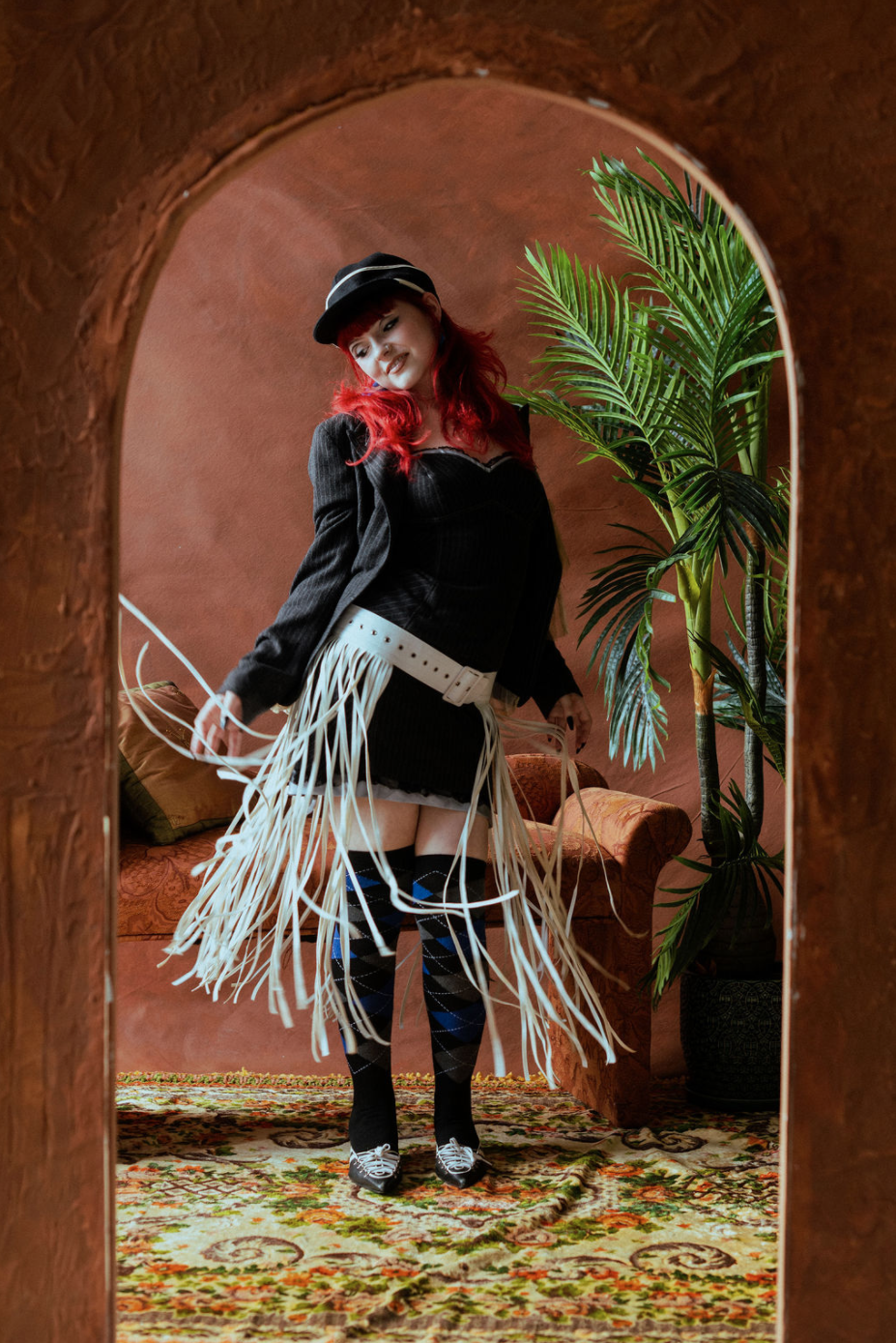
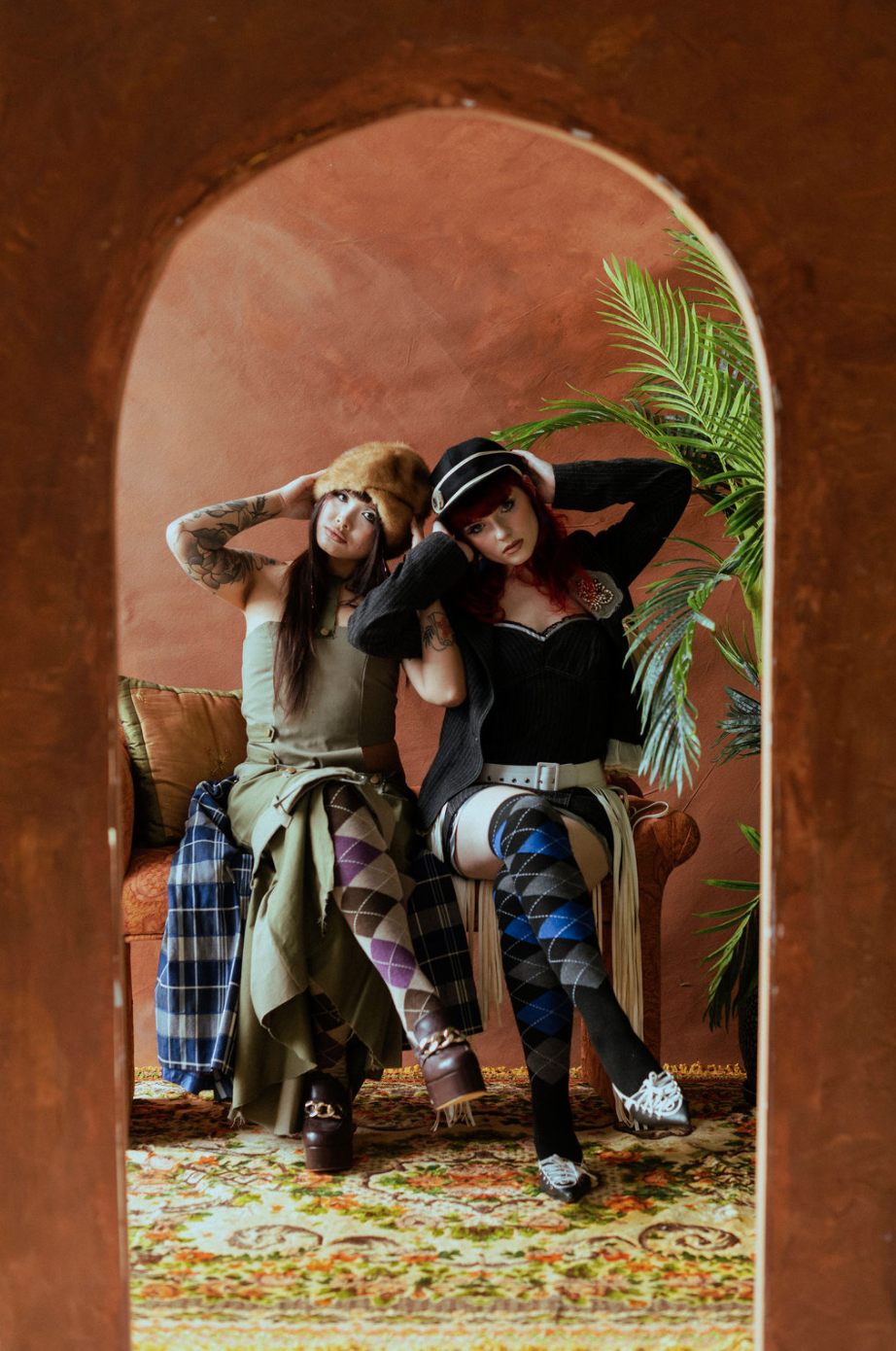
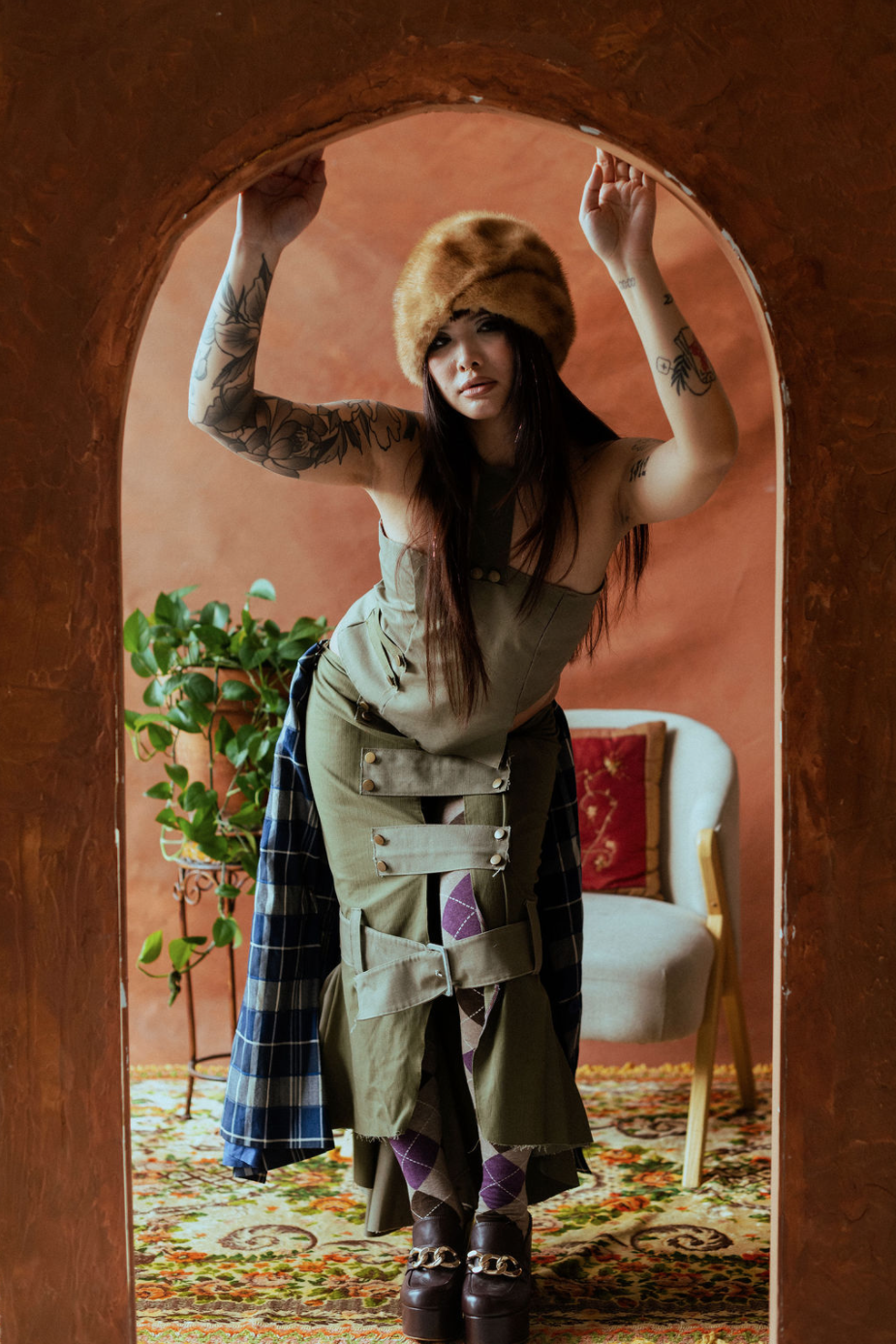
Whether it’s wandering through cobble-stoned streets of New York City or going on a stroll in Phoenix suburbia, I am inherently a people watcher. Looking through living room windows to a family having dinner, to a couple arguing in their bedroom, to a girl getting ready for a night out, to spectate the game of life in its rawest, vulnerable form is so intriguing to me.
As Obscura continues to grow and highlight culture through the flipped viewfinder of our incredibly creative team, the visuals should consistently reflect that. Thus, the editorial “Schema, Personified” focuses on how the human condition meets the fashion world on its different levels; Obscura breathing new life into fashion media through understanding its readers.
The editorial sets the scene in an almost voyeuristic sense (think Rear Window by Alfred Hitchcock). Playing into the curtains that frame a stage, the women’s bedrooms are framed by their window curtains. Inspired by 50s silent film stills from Sleepless Satellites and The Tales of Hoffman, we peek through two different windows: two worlds, two women.
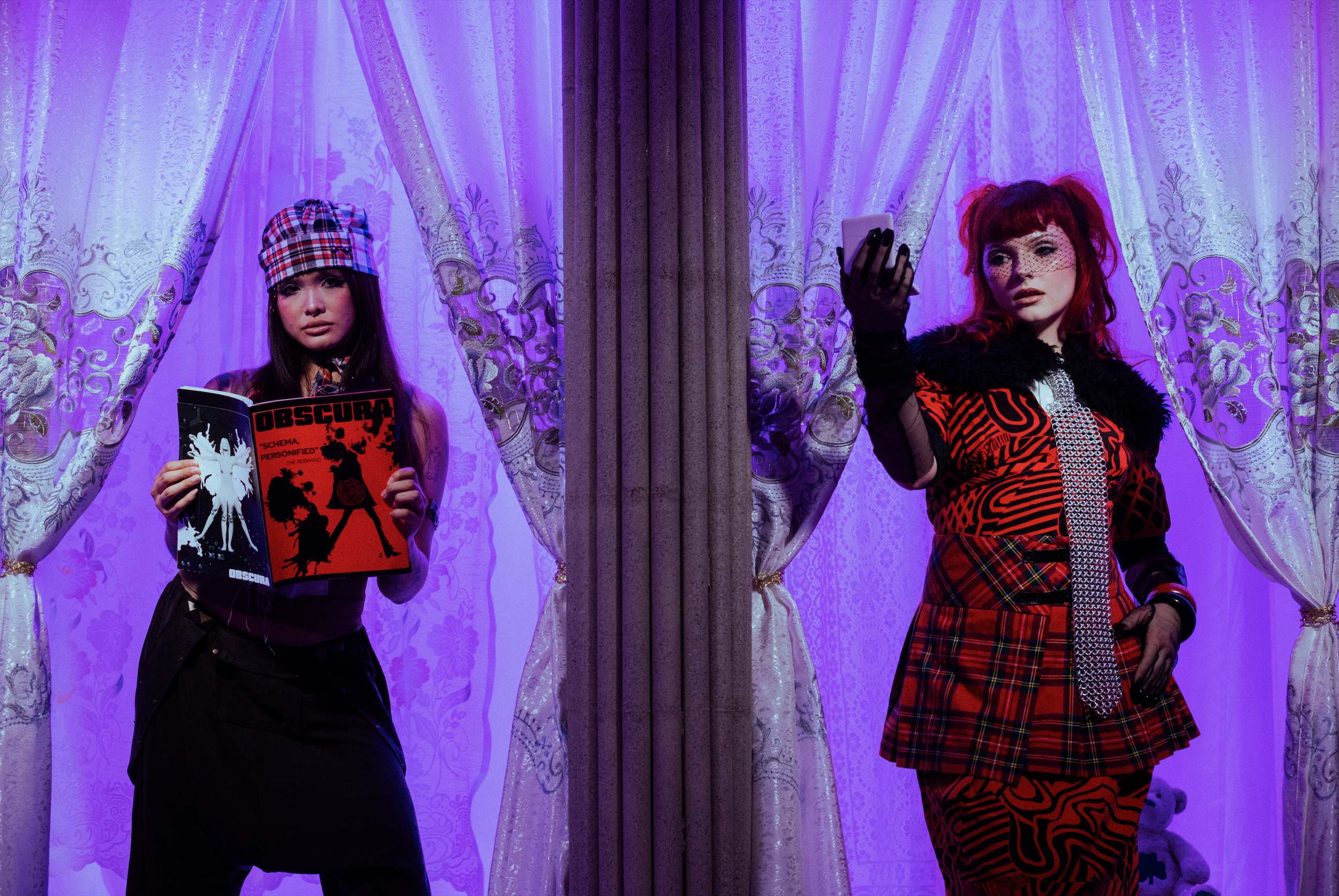
Viewers see two young women go through the spirals of life, the constant evolutions of growth we undergo through curiosity and experience, and ultimately how this correlates to the fashion industry. The world of “Big Fashion” peers through to consumers like a fishbowl, poking and tapping the glass, seeing what we like and what we don’t.
Going through varying contrasting emotions: anger, curiosity, happiness, loss, confusion, playfulness, and insecurity. These are the natural human ethos, but also, emotions that are manipulated through multi-million dollar marketing campaigns and influencer partnerships. We are told how to feel about certain styles and icons, what to like and dislike, and even when.
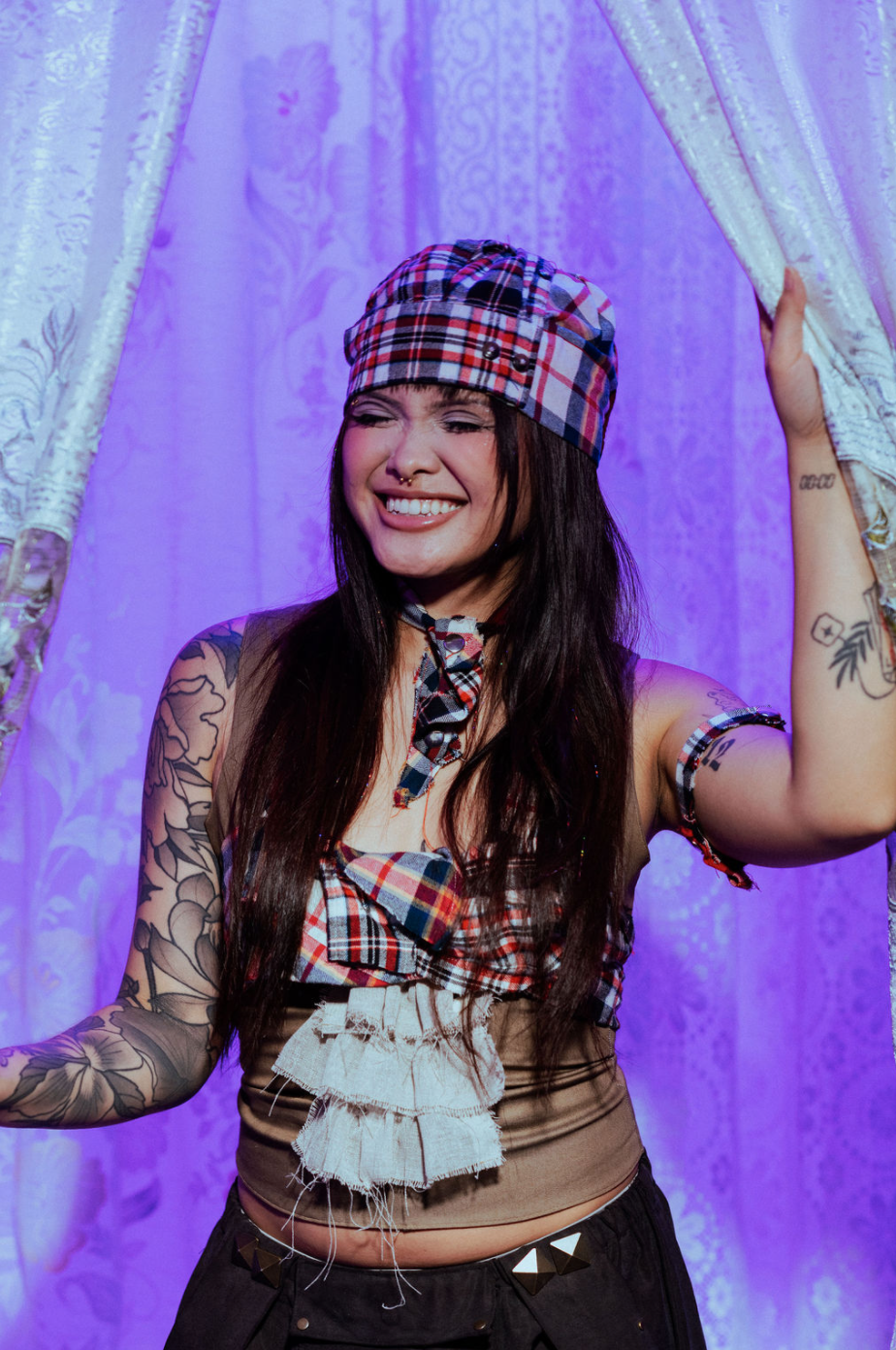
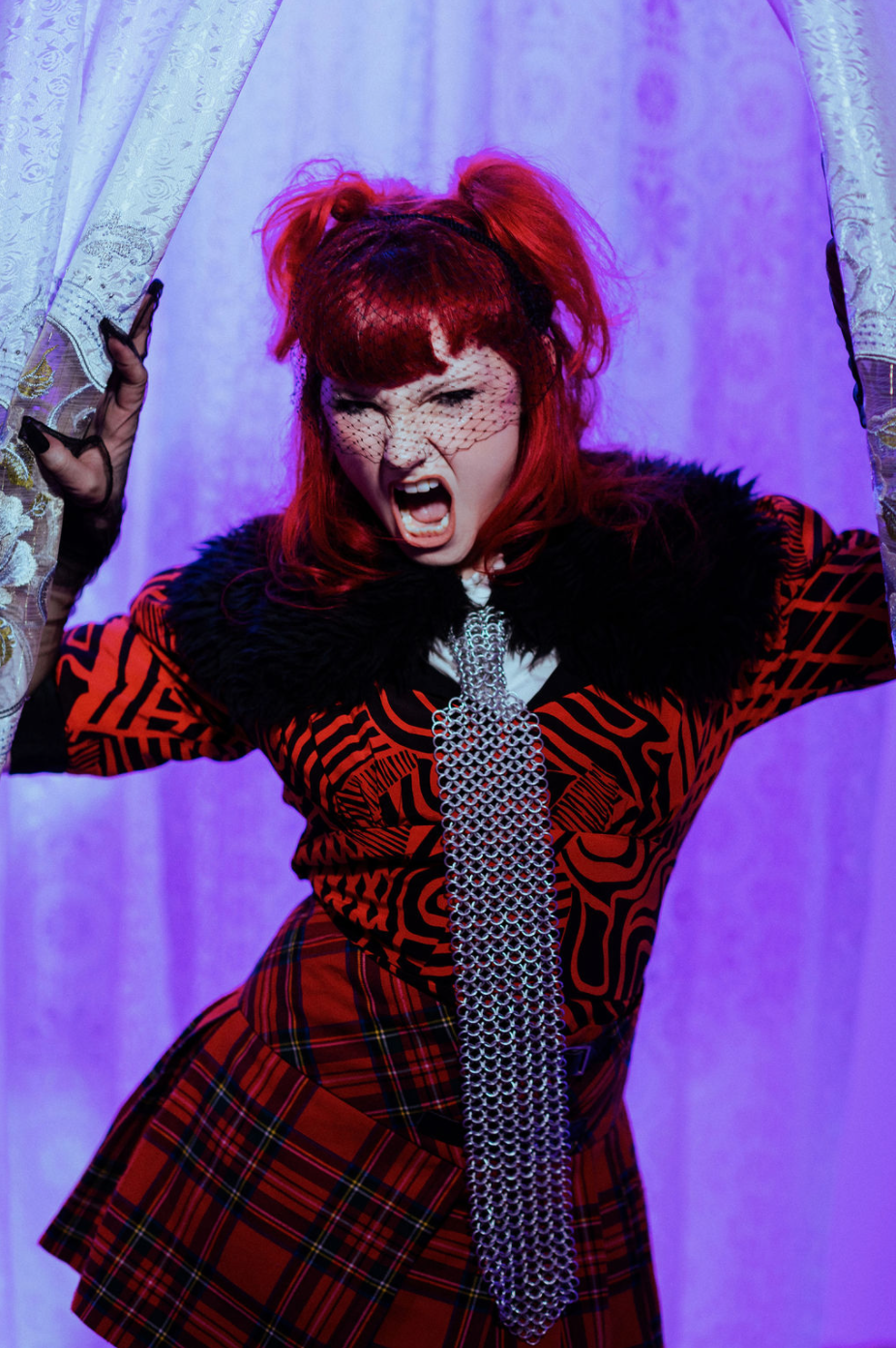
The digital world and fashion vanity can make people feel alone despite so many other people feeling the same emotions, questioning authority and wondering the same thoughts. Throughout the photo story, the two women realize they’re not alone. Despite going through different experiences, their own feelings and experiences no longer linger within themselves, but project onto each other and reverse; feeling contentment and tranquility, there is an equal understanding of each other’s differing points of views.
In the words of Virgil Abloh: “The old way of fashion was just, ‘Act like they don’t exist!’ or even worse, ‘We are in this vacuum called fashion’. That is the number-one outdated premise. I keep harping on about journalism, but it’s everyone in the industry. It’s not just designers; it’s also in our businesses; it’s in the marketing. In fact, the further away you get from the actual design studio, the more opportunity competitiveness has to become detrimental to understanding the overall ecosystem.”
He goes on to say in a System Magazine interview, “I think the number-one thing that we can do as an industry is change how we represent what we do, how we talk about our work, and how that relates to the person in the street who can or cannot afford the items we’re involved in, or who doesn’t understand what our industry means. It is the easiest change that could be made.”
Words like: intuitive, complicated, tender, sensual, devotion, symbiotic, and even angry all describe our readers' relationship to fashion. Obscura as a publication is about recognizing and uplifting these varying perspectives, building human interaction, questioning the uncomfortable. It’s about fostering curiosity for the unknown, and growing your passions in the fashion zeitgeist.
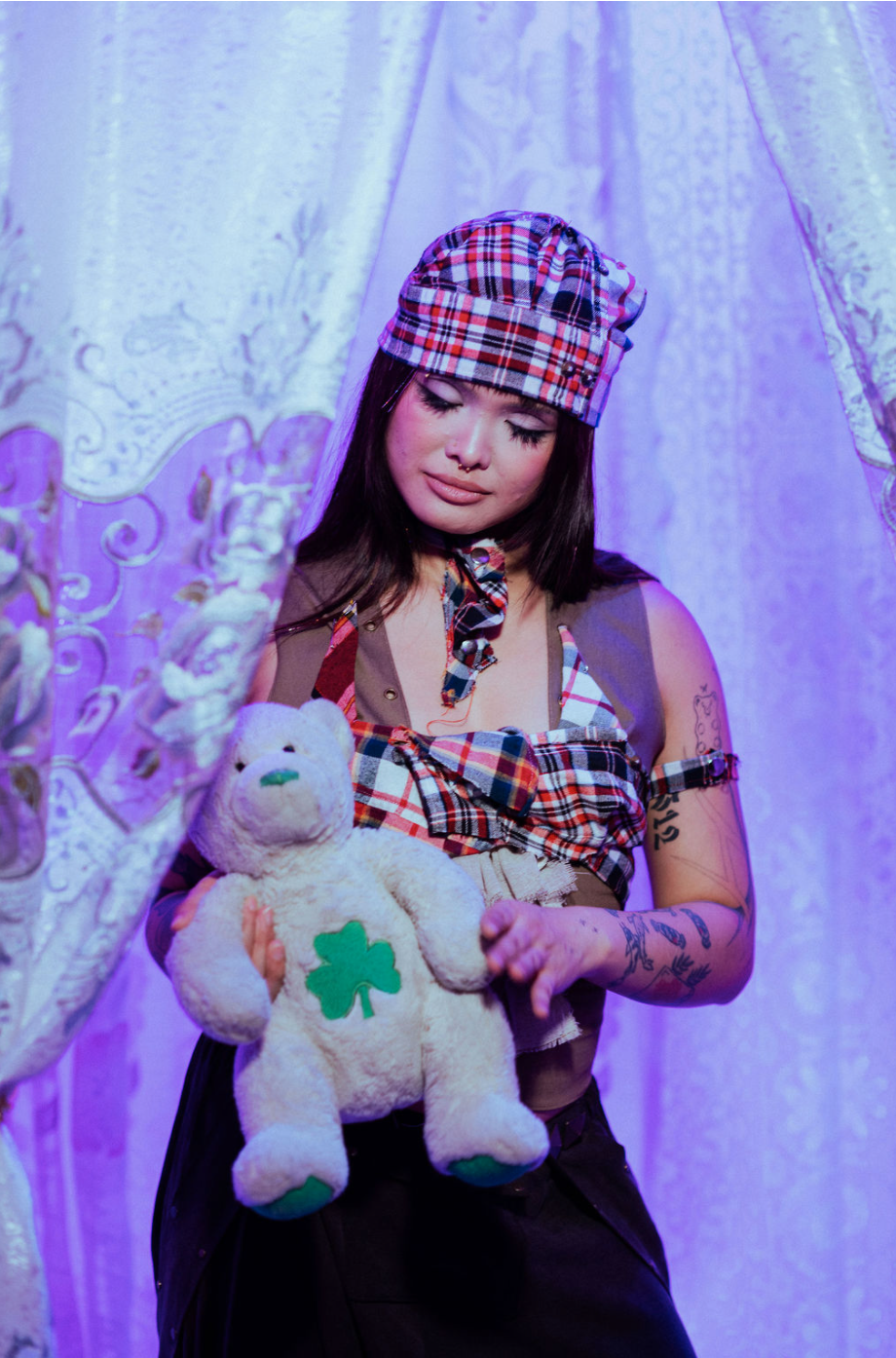
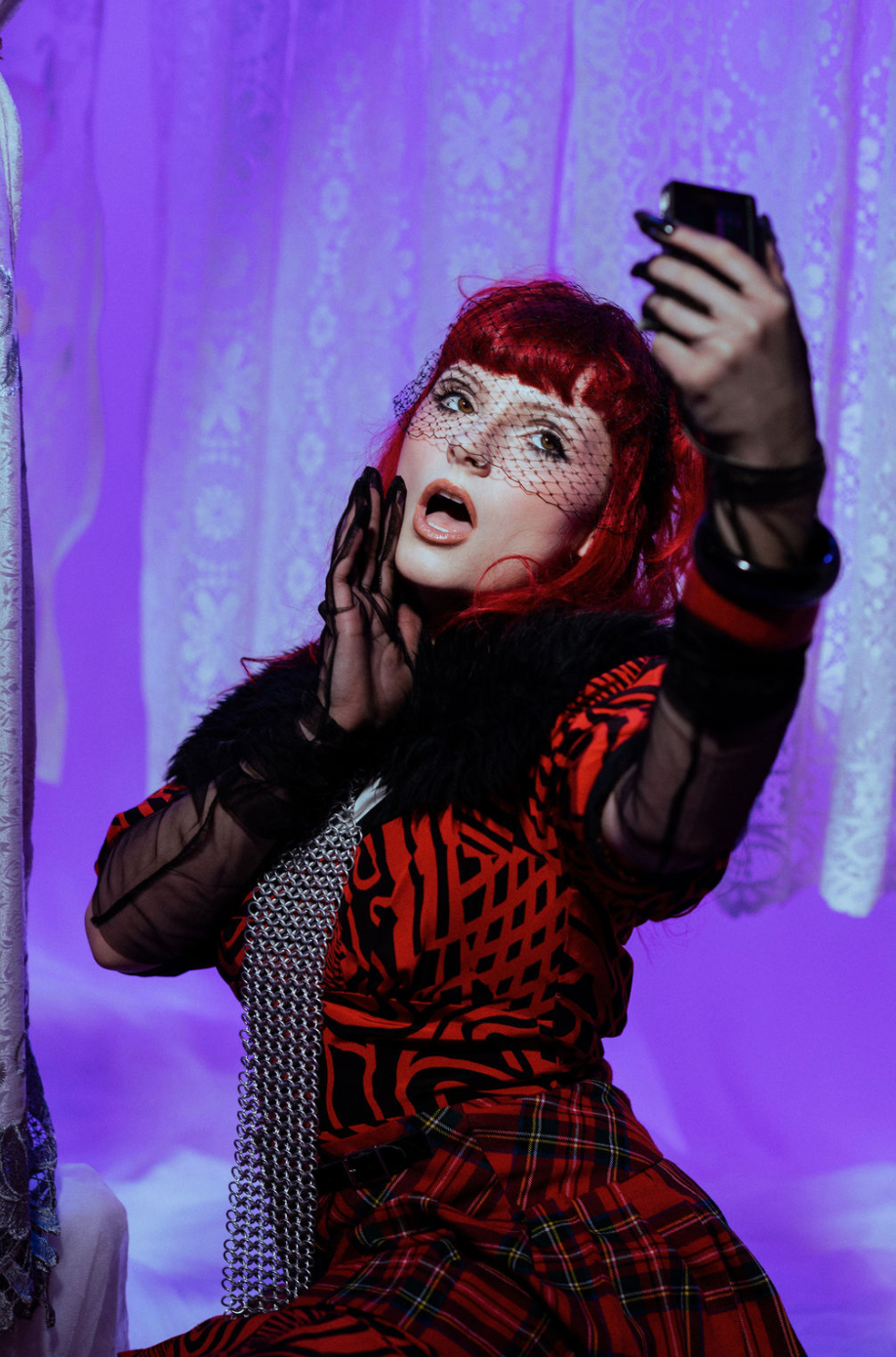
Through these different editorial sets, we can envision the talent as people we observe from New York window-watching, the worlds we conjure up in daily life. Whether it’s a woman who has worked in luxury fashion for the last ten years, an emerging Parsons student looking to revolutionize the industry, or someone on the street who sees clothing as purely functional, we hope that our writing can resonate, inspire, and foster conversation. Obscura wants to show a mirror to the industry itself through well-informed perspectives, bringing light to it all for better or for worse.
Obscura essentially is a ‘schema’ –– a structured framework that organizes information, patterns, or behaviors to help make sense of the world. In psychology, it is a mental shortcut to interpret experiences. Through breaking the typical media mold, building worlds through illustration, cultural context, events, art exhibitions, comic books, and so much more, It is a blueprint for a new way of collective meaning-making.
Editorial Credits —
Photographer: @miaisabellaphotography
Videographer/BTS: @exposurebychloe
Photo/Video Assist: @dillon_puswald
Creative Direction: @aaalexia23
Producer: @lucy.ellen.w
Stylist: @_mayasavino @kapietran
Models: @fionaodellbradley @hashleynh
Hair: @asiagwim
Makeup: @stefortiz.mua
Set Design: @_ericacrawford_ @_sarahxu@veronicaxmcnally
Production Assist: @yeseniafollingstad @auroraanahi