
Fashion’s Dark Times: The Return of All-Black Everything
Another successful New York Fashion Week (FW26) has come and gone, but the impression left from the glitz and glamour of the collective shows are still reeling in our minds. But, in a stark comparison to the usual over-the-top antics and splash of vibrant colors sent down the runway, this was a staunch return to neutrality, in particular, the color black. Now black, although commercially viable, is not the initial color thought of when asked to name new and innovative hues. Despite this, the dark shade had an uptick of features across a multitude of designer collections.
Increasing from the previous FW25 season at a rate from that ranged from 28.6% as it was in Christian Cowan’s FW26 show to 12.2% in Collina Strada’s FW 26 Ready-to-Wear looks to a more minimal 9.9% as in Anna Sui’s FW26 collection, when compared using runway photos from both seasons provided by Women's Wear Daily (WWD). Even designers that heavily featured the color black in preceding runways, like LaQuan Smith, saw a 22.2% inflation of the hue in his FW26 runway.
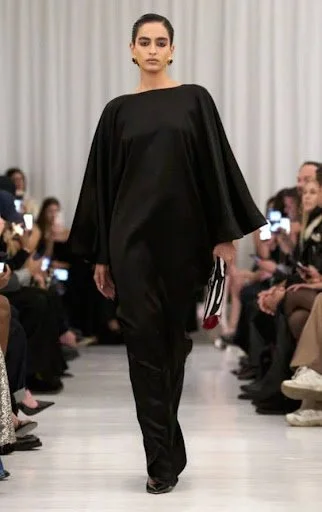
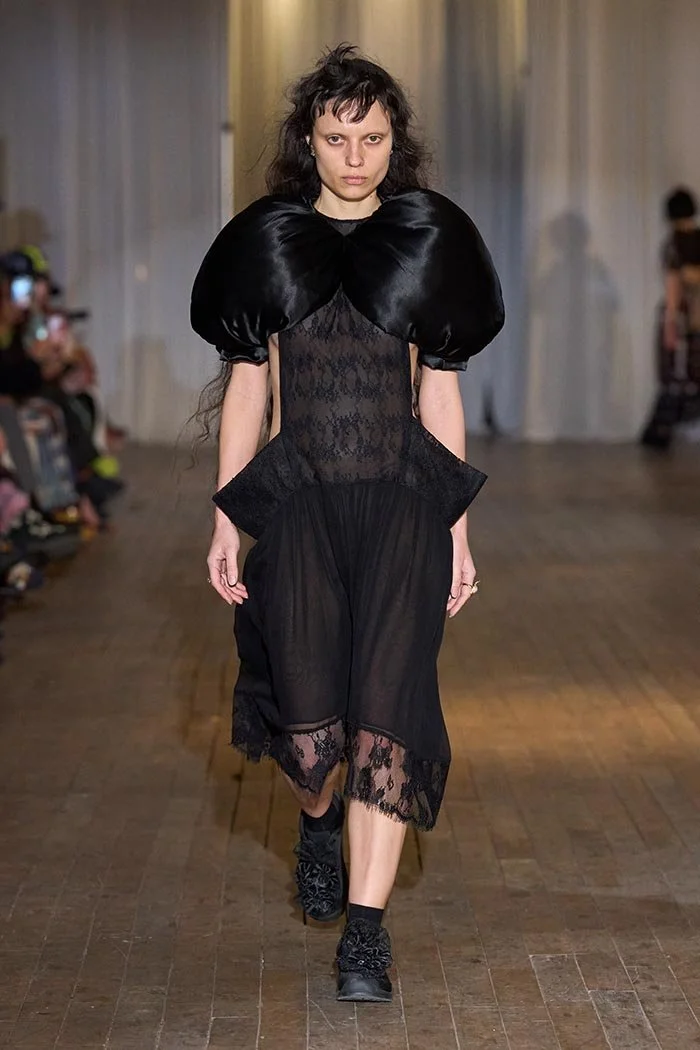
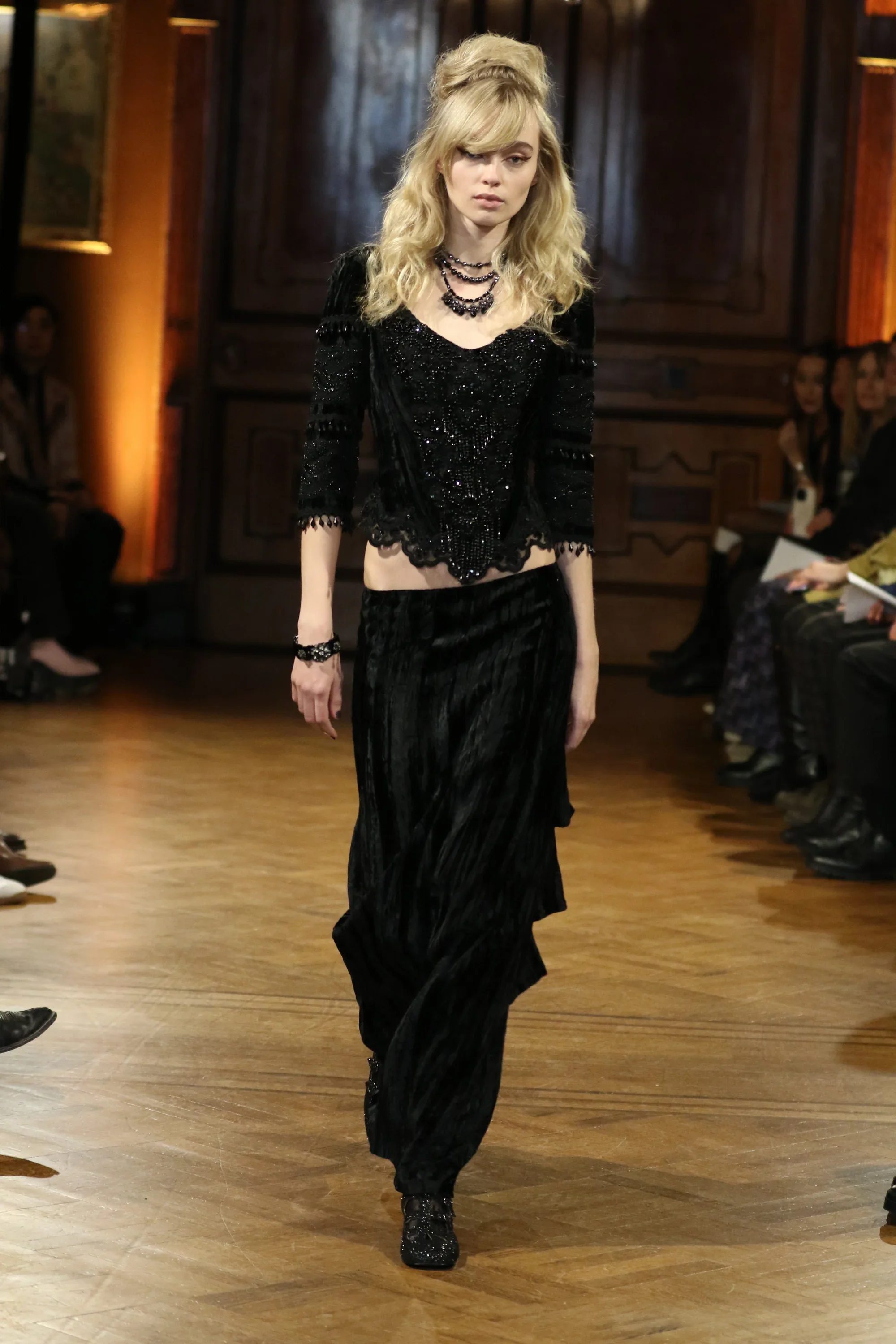
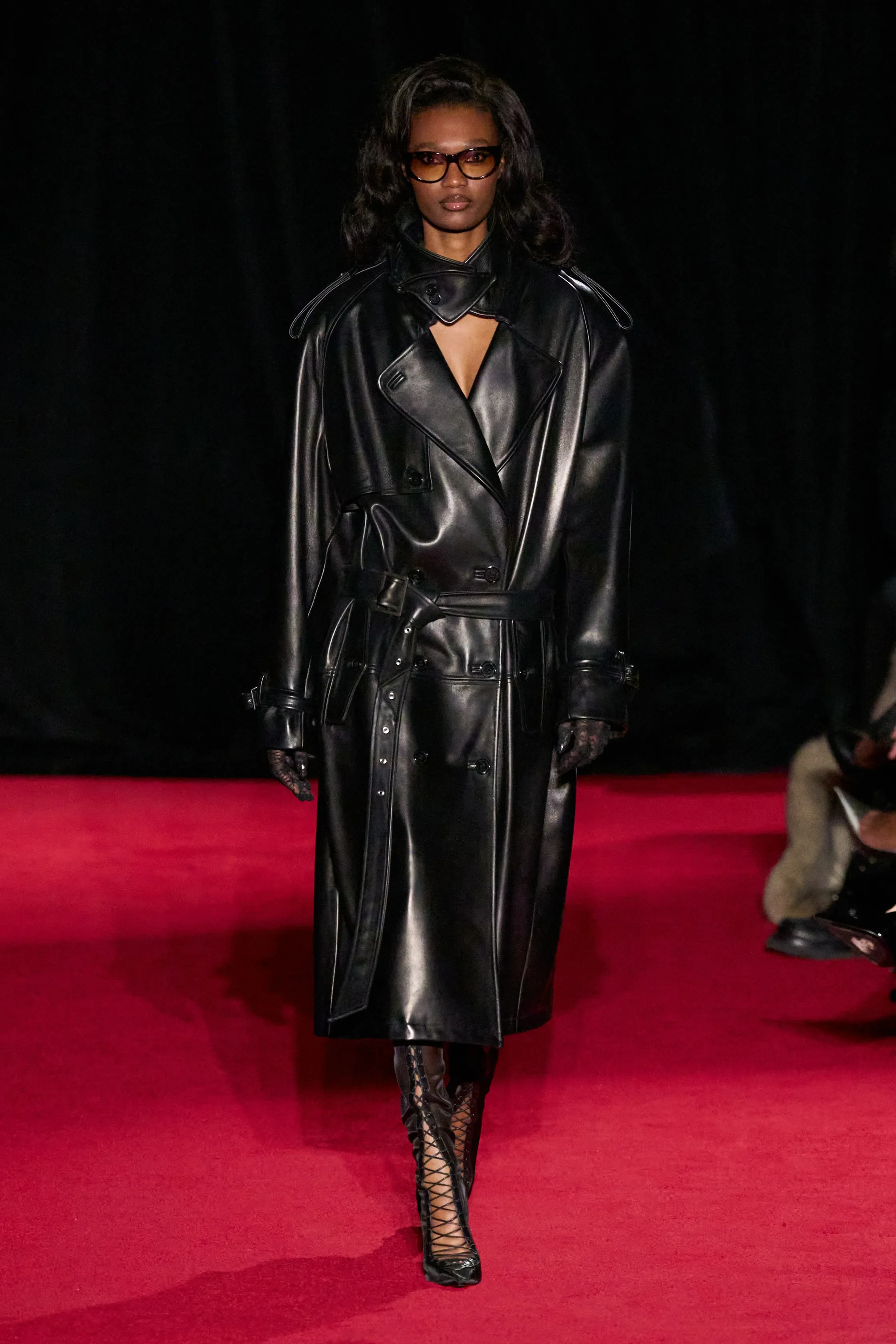
All images courtesy of WWD & their respective designers
Designer Collections credited from left to right - Christian Cowan FW 26 (Look 21), Collina Strada FW 26 (Look 20), Anna Sui FW 26 (Look 30), Laquan Smith FW 26 (Look 5)
A collection that comes to mind when considering the temperature of last year’s NYFW is Christian Cowan’s FW25 show. It featured an influx of pastels, rainbow bubblegum encrusted mini dresses, latex, feathers, and skirts, fully constructed out of high heels. The looks were outrageous, never-before-seen, and pushed the boundaries of what fashion was - when the color black was featured, it was done so in a maximalist, elemental way.
This sentiment of newness and individuality through color and texture was echoed throughout Collina Strada’s FW25presentation. Plaid patterns featured yellow and green hues, caramel-colored knitted overcoats with raw hems were paired with multi-colored floral dresses and pants, a clear push for lighter, brighter colors. Though some dresses were neutral in color, they had unique construction, multi-layered toile, and lace that created a beautiful, billowing effect. So how, in just one year, has the fashion collective seemingly gone from an emphasis on vivid, bold hues to the rise of the darkest hue there is, black?
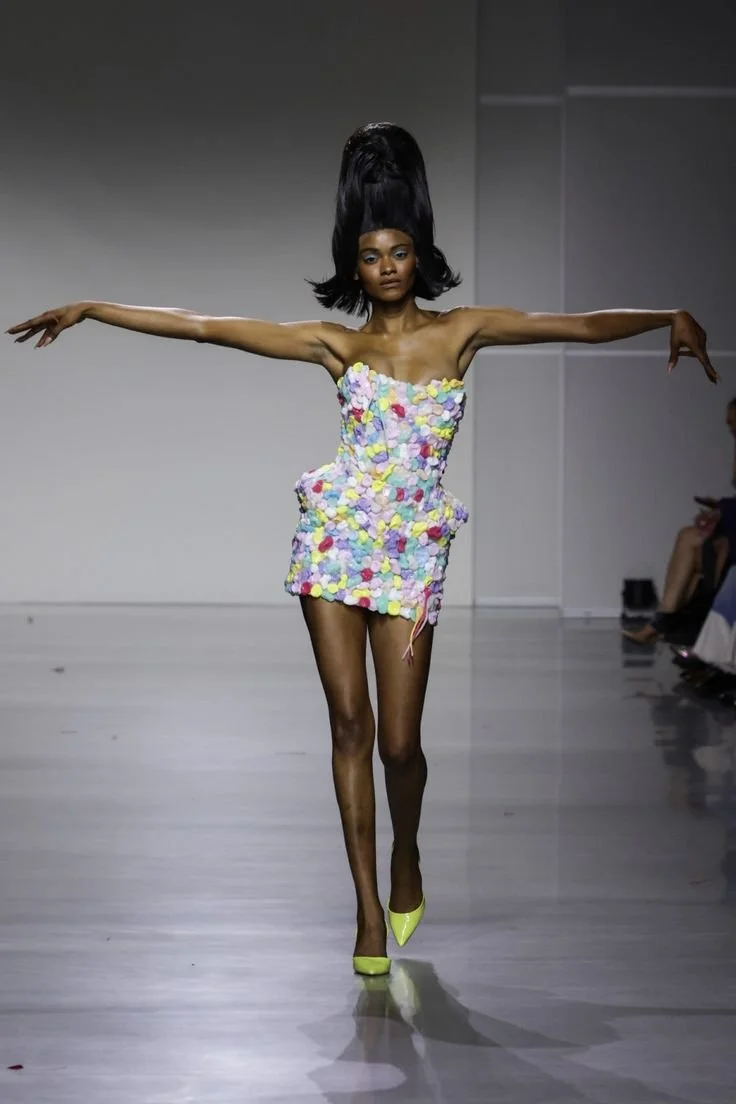
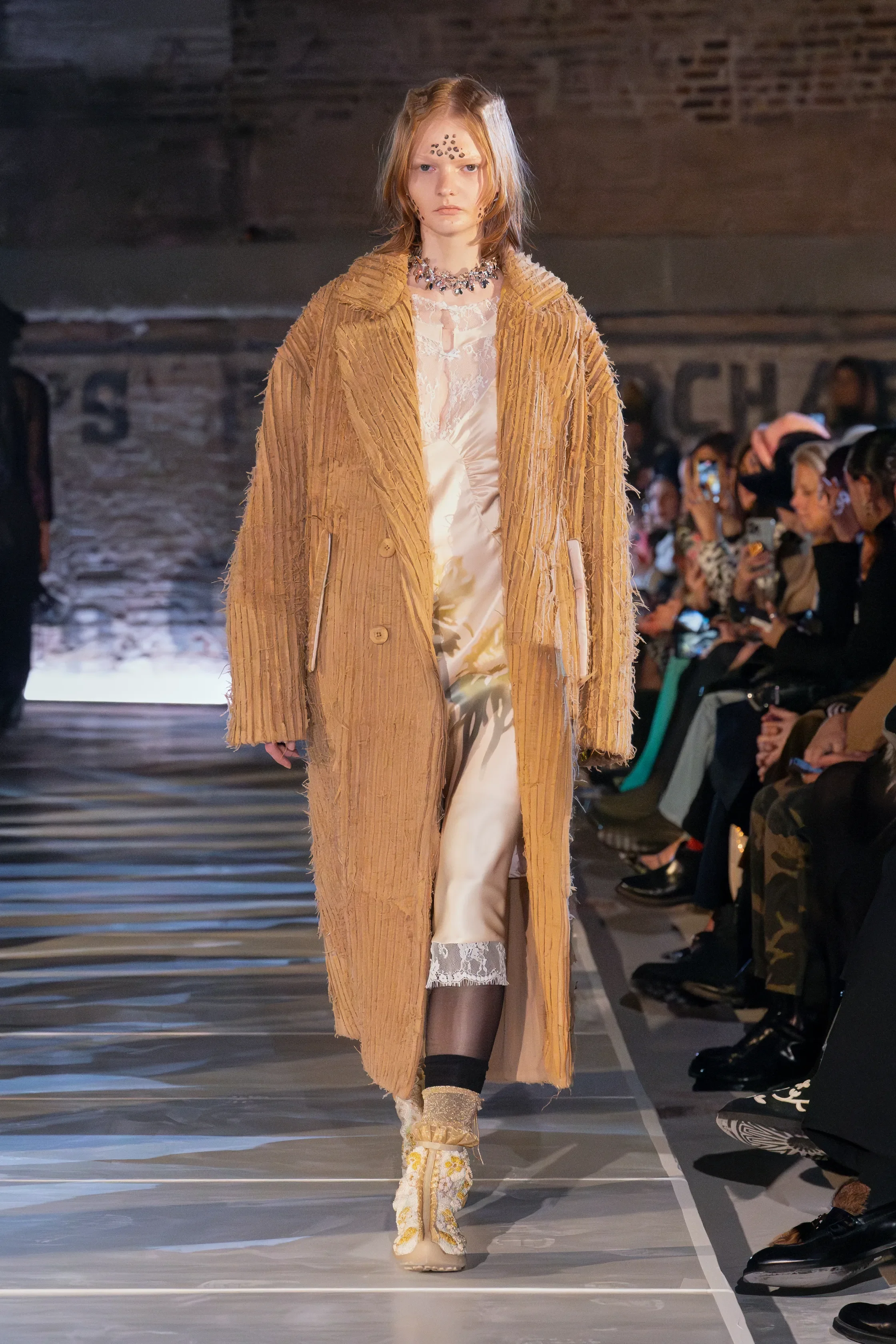
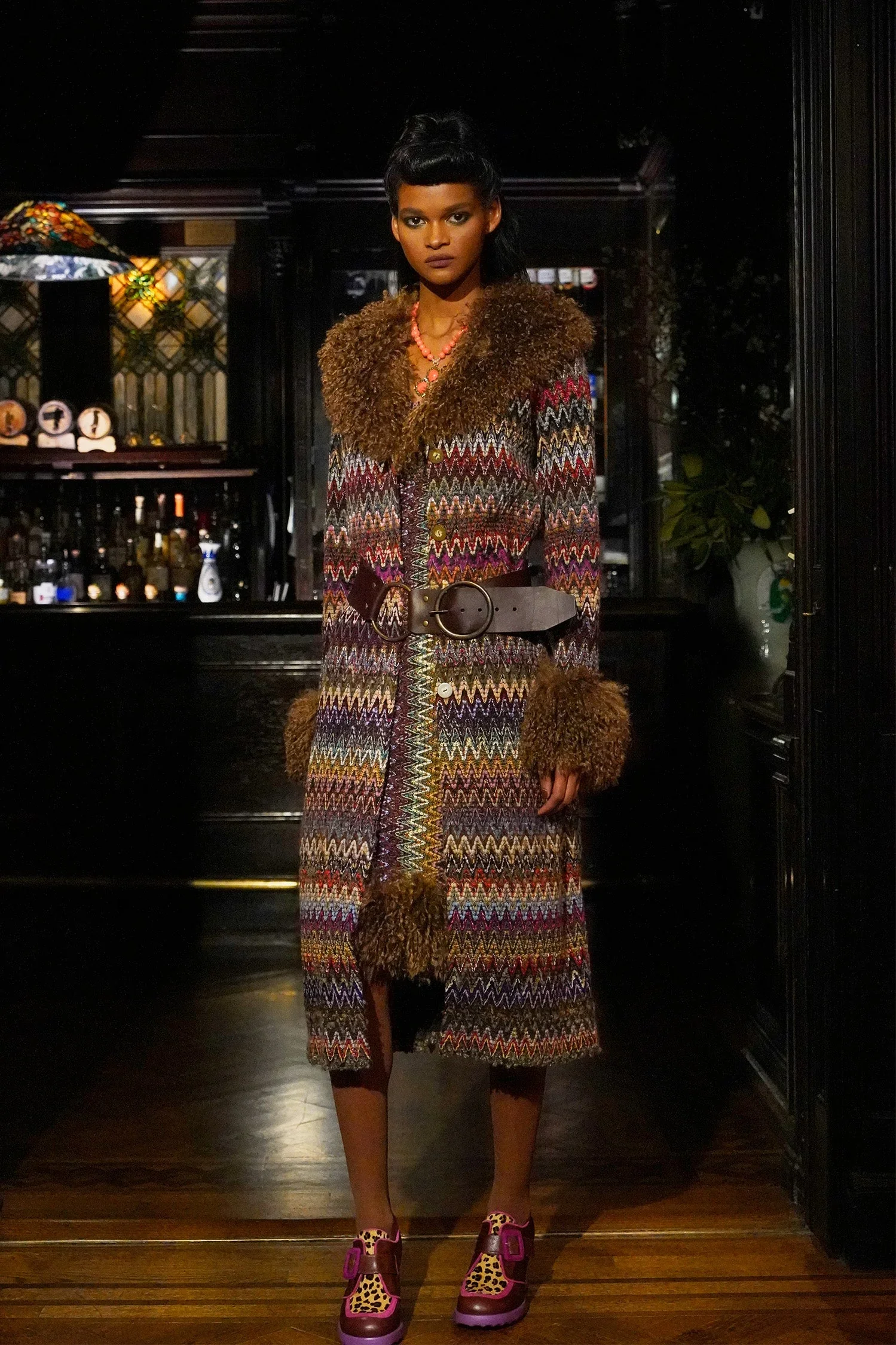
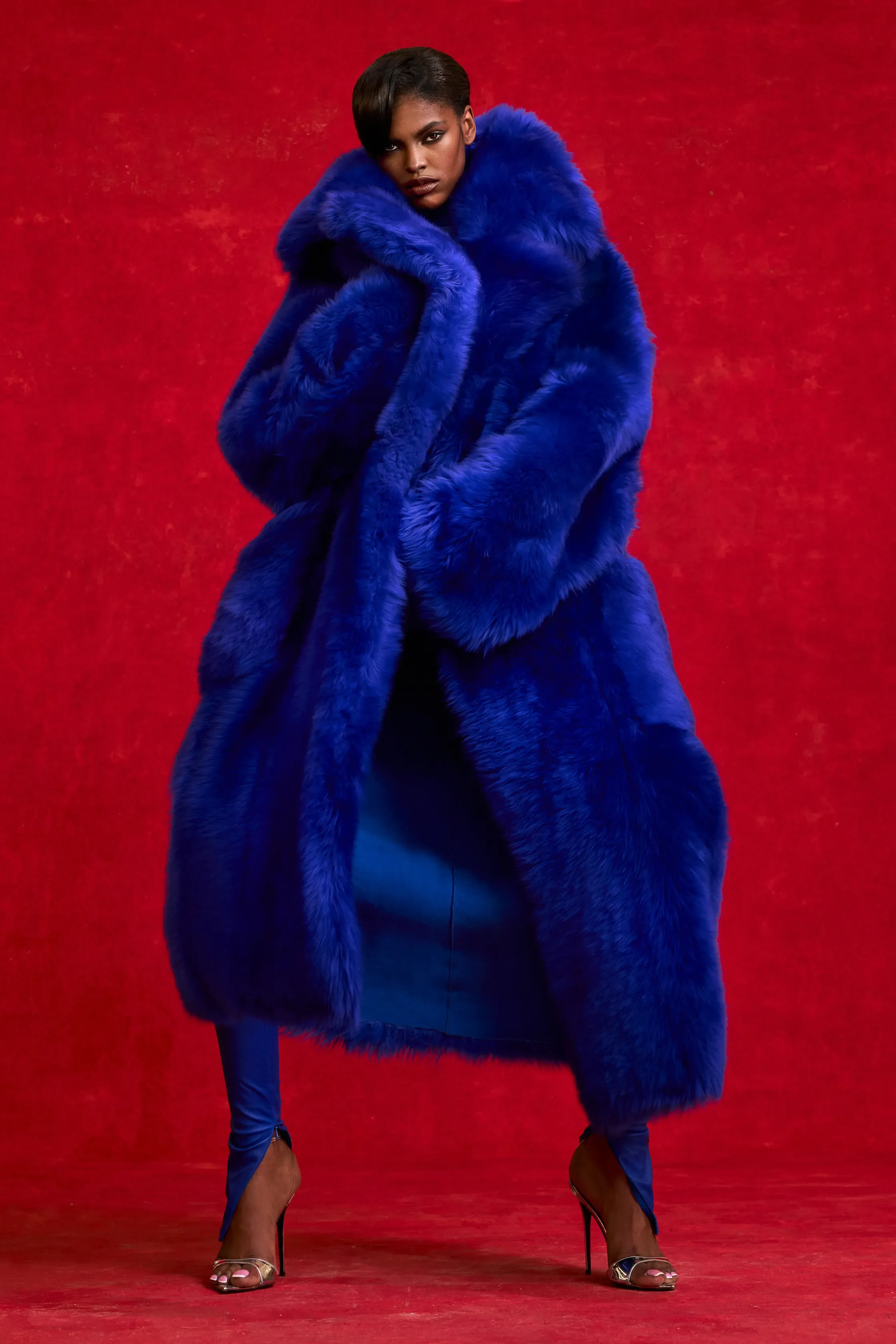
All images courtesy of WWD & their respective designers
Designer Collections credited from left to right - Christian Cowan F/W 25 (Look 1), Collina Strada F/W 25 (Look 16), Anna Sui F/W 25 (Look 6), Laquan Smith F/W 25 (Look 19)
When considering any trends in fashion, it is imperative to look at the consumer culture surrounding it, and what in large part shapes this culture, the economy. The economy can dictate fashion all the way down to the popularity of a specific color for the season. The economic sentiment in relation to color is usually as follows:
When the economy is doing well, people have extra income to confidently make bolder, more colorful purchases, and when the economy is uncertain, neutrality is favored at a higher rate.
An analysis of data from consumer buying patterns found that during times of economic turmoil, the fashion community favored black garments, seeing a 5% increase of the color in the FW season and 7% in the SS season.
This push for neutral colors extends beyond the fashion realm, as seen by Pantone color of the year – Cloud Dancer, which as the name suggests being akin to a cloud, is white. As it becomes more apparent that a return to neutrality is indicative of the economy, what does the economic connection to fashion truly mean for the average consumer and how does it affect them?

Attendees line up for an interview with a prospective employer at a job fair in Washington. REUTERS/Jason Reed
Currently, the United States’ economy is a capricious state. Determining the metrics, how good or bad our economy is, though ever-changing and difficult to predict, have some constant factors that contribute to the overall outcome. The unemployment rate is one of those factors. According to a recent News Release from the U.S. Bureau of Labor Statistics, the rate has decreased by 0.3%(100,000 citizens) from 4.6% (~7.5 million citizens) in November 2025 to 4.3% (~7.4 million citizens) in January of 2026.
Though this decrease is welcomed, the impacts of the previously inflated rate are still being felt across the country. NBS News stated recently that “2025 was the worst year for hiring since 2020”, which notably featured job losses due to a global COVID-19 pandemic. Even if one is able to secure a job, upward mobility to a higher paying one in the future will prove to be a difficult feat. Currently, the 7.5 million people who are unemployed are vying for only 6.5 million job openings, leaving a one-million-person job deficit.
These components contribute to the consumer needing to make frugal decisions when it comes to spending money on fashion. Choosing to opt for garments in versatile shades, like black, which can match a variety of clothing items, and reflect a more polished look. Black is also the color most widely associated with formalwear, tuxedos, and blazers. This coincides with a public shift towards more formal and traditional dress during periods of high unemployment and uncertainty. As the old verbiage goes, dress for the job you want, not the job you have.
Public policy and regulations are another metric to gauge the economic barometer of our country. Public policy refers to any decisions or actions our government takes to address societal challenges and regulations are rules that are set in place to assist in alleviating them. Tariffs are taxes imposed on another country’s imports. They are one form of regulation that is being attempted to decrease the unemployment rate through bringing manufacturing back to the United States.
In relativity to fashion, the United States Fashion Industry Association found that 98% of clothing sold in the United States is imported. The fluctuation of taxes to other countries who manufacture clothing and produce textiles can contribute to the price of clothing increasing. CBS News interviewed a Columbia Sportswear executive who stated that the company plans to hike its prices for its incoming spring and fall collection by a "high single-digit percent." This sentiment was shared by Levi Strauss, the denim company, which was also feeling an impact made by tariffs stating,"we implemented additional pricing actions to further mitigate tariffs."
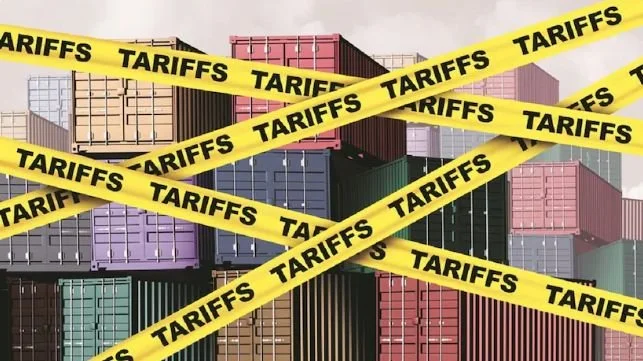
Photo courtesy of Pinterest
Inflated clothing prices place American consumers in an uncomfortable position – forcing them to stretch their dollar once again. When saving money becomes a necessity, one can begin to approach fashion in a utilitarian way. Versality and functionality are prioritized over taking fashion risks. The fashion collective has heeded these warnings provided by an uncertain American economy and has acted accordingly.
Designers favoring the color black for their Fall/Winter line is indicative of this message being received as it is one of the most functional colors. One of The RealReal’s merchandisers even shared that their data showed “[Globally], one in five items sold are black”. Brands are no longer indulging in bright, bold colors, but anticipating the consumers’ need for practicality through an influx of black garments, while simultaneously securing their brand’s longevity during this tumultuous economic time.
Understanding the interconnectedness of fashion and the economy allows the consumer to better discern the United States economy and the clothing industry to inform their future purchases.
So, the next time you walk into a clothing store and see an increase of black clothing, remember that fashion is and always has been, an indicator for the current United States economic status.